Blog
Your Guide to CPAP Therapy and Respiratory Care for Sleep Apnea in Ontario
If you’ve recently been diagnosed with sleep apnea, you’re probably navigating a lot of new information. Respiratory care for sleep apnea covers a range of treatments and equipment. However, for most people, the starting point is the same: CPAP therapy.
This guide explains what CPAP therapy involves, how it connects to your respiratory health, and what to expect when you begin treatment in Ontario. Additionally, it clarifies how CPAP relates to oxygen therapy, since patients often ask about the difference.
What Is CPAP Therapy?
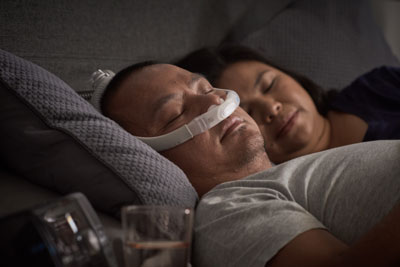
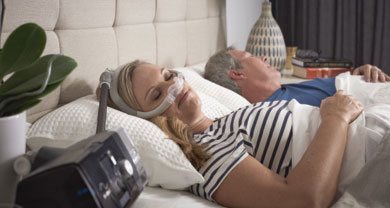
CPAP stands for continuous positive airway pressure. It is the standard treatment for obstructive sleep apnea. CPAP works by delivering a steady stream of pressurized air through a mask, which keeps your airway open during sleep and prevents the breathing interruptions that disrupt your rest.
Sleep apnea causes your airway to collapse repeatedly during the night. Each time it does, your body briefly wakes up to reopen it. As a result, you cycle through hundreds of partial awakenings without realizing it. CPAP prevents these interruptions and allows you to sleep continuously.
The benefits extend beyond sleep quality. Treating sleep apnea also reduces cardiovascular strain, improves blood pressure, and supports better overall respiratory health.
Types of Respiratory Equipment Used for Sleep Apnea
CPAP is the most common form of PAP therapy, but it isn’t the only one. Depending on your diagnosis and how your body responds, your care team may recommend one of several options.
CPAP delivers a fixed, steady air pressure throughout the night. It is the standard starting point for most people with obstructive sleep apnea.
APAP, or auto-adjusting positive airway pressure, reads your breathing in real time and adjusts pressure as needed. Many patients find it more comfortable, particularly if their apnea changes by sleep position or sleep stage.
BiPAP, or bilevel positive airway pressure, uses different pressures for inhaling and exhaling. This option typically suits patients who struggle with CPAP at higher pressures, or who have certain respiratory conditions alongside sleep apnea.
Your care provider should match the device to your actual diagnostic results. The right respiratory equipment depends on your specific sleep study findings, not on what happens to be in stock. Learn more about sleep apnea treatment options and what your physician may recommend.
How CPAP Therapy Supports Your Respiratory Health
Sleep apnea and respiratory health are closely connected. Each time breathing stops during sleep, your blood oxygen drops. This happens repeatedly throughout the night. Over time, these repeated drops strain your heart, lungs, and metabolism.
By keeping your airway open, CPAP therapy stabilizes blood oxygen throughout the night. Many patients notice improvements in their energy, concentration, and cardiovascular health within the first few weeks of consistent therapy.
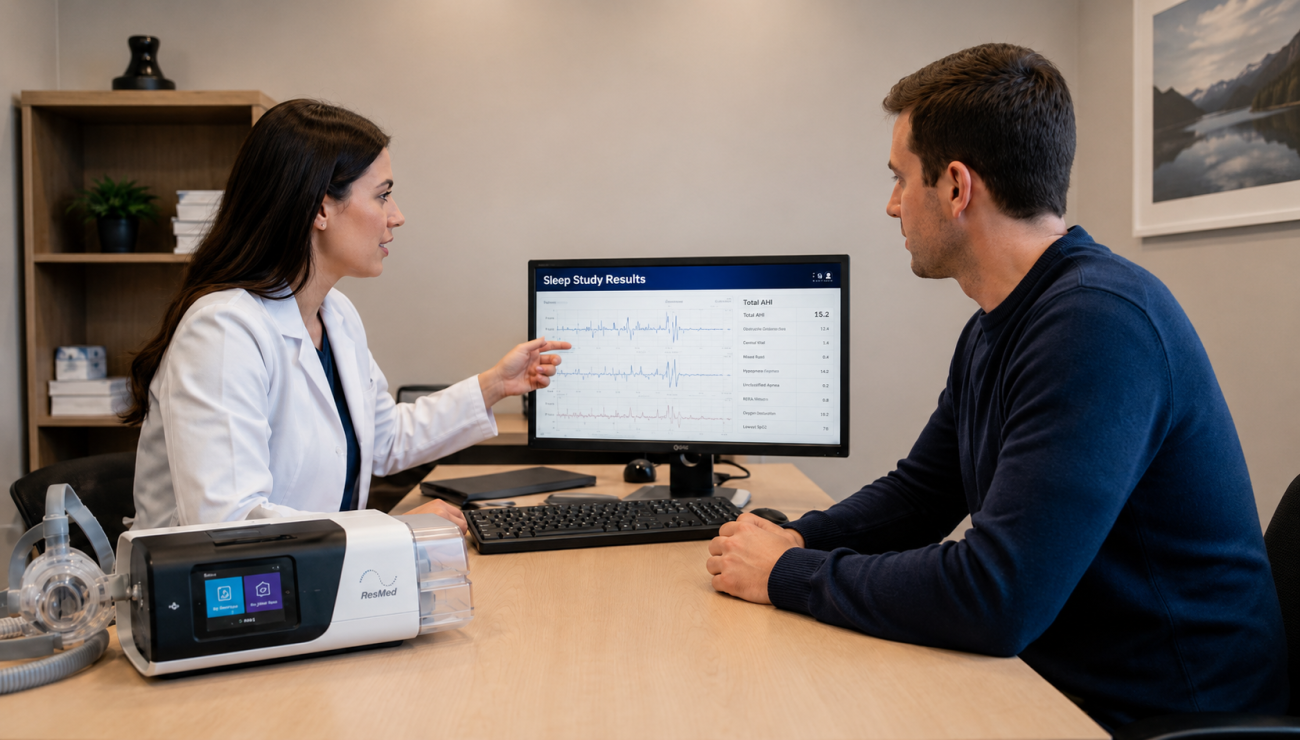
However, effective CPAP therapy depends on proper setup and ongoing support. A qualified respiratory professional should review your sleep study results, recommend the right device and pressure settings, and follow up as you adjust to treatment.
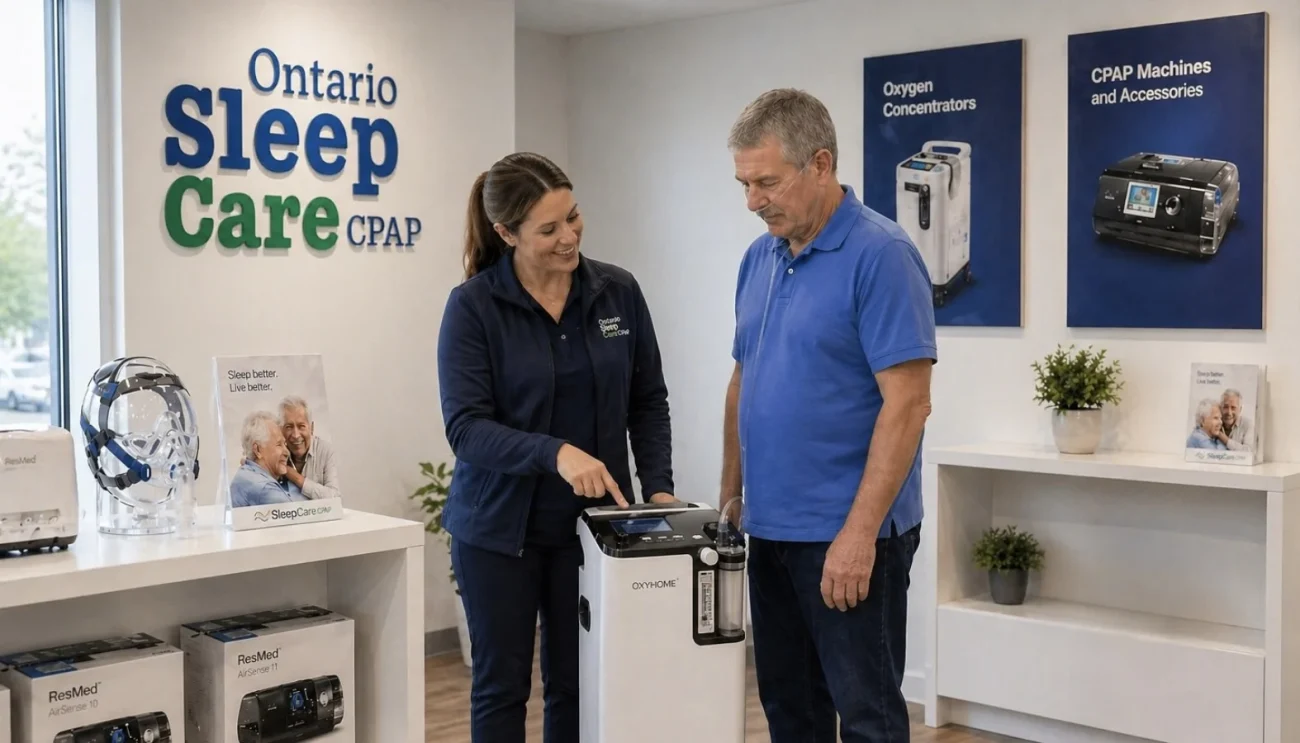
For patients in Ontario, working with a respiratory clinic that specializes in sleep medicine ensures you receive care tailored to your diagnosis. Ontario Sleep Care’s team of registered respiratory therapists provides this kind of focused, long-term support. Visit the patient information page to see how the team can help.
CPAP vs. Oxygen Therapy: Understanding the Difference
Patients often ask whether they need oxygen therapy as part of their sleep apnea treatment. For most people, the answer is no. However, it’s worth understanding the distinction.
CPAP therapy uses pressurized room air. It does not add extra oxygen. Its purpose is to keep the airway open, not to increase the concentration of oxygen you breathe. For the vast majority of people with obstructive sleep apnea, CPAP alone resolves overnight oxygen drops.
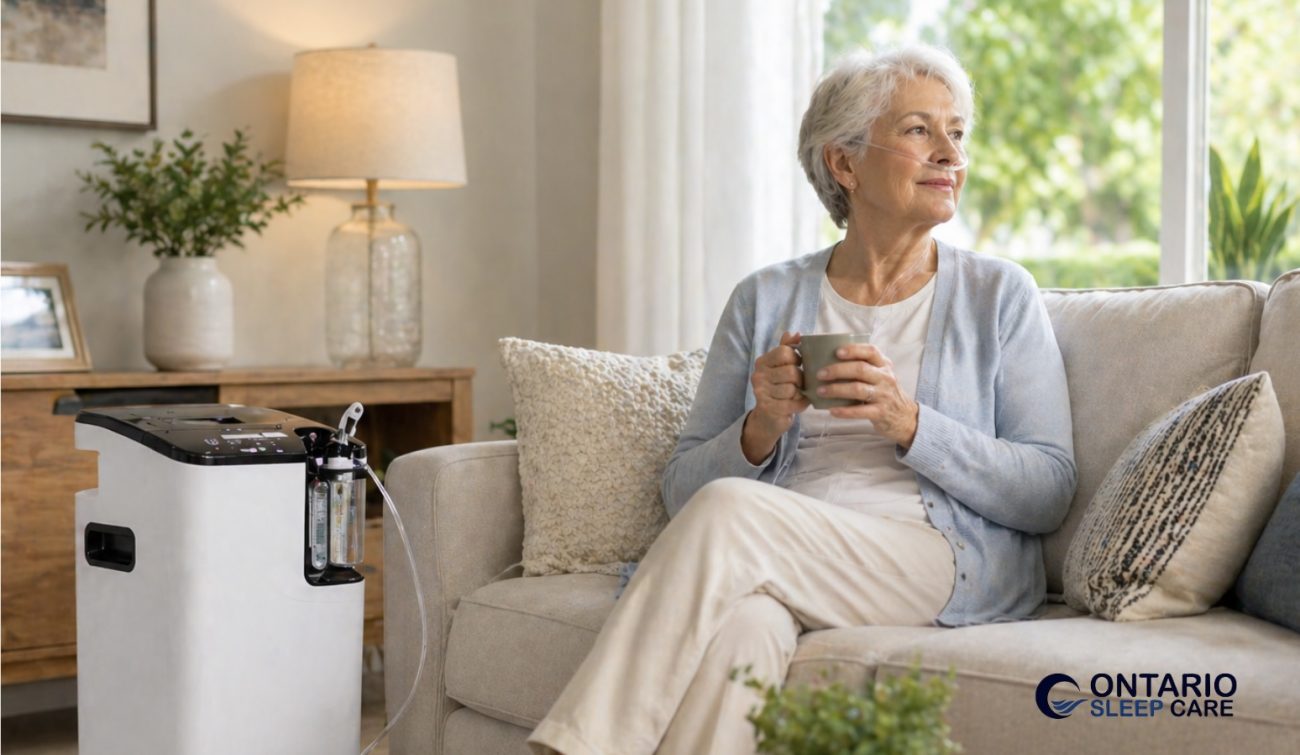
Oxygen therapy, on the other hand, delivers supplemental oxygen to patients whose blood oxygen levels remain persistently low. This typically occurs in conditions like COPD, pulmonary fibrosis, or heart failure. A physician prescribes it based on blood oxygen measurements.
Some patients with severe sleep apnea and concurrent respiratory conditions require both. In those cases, a physician coordinates both treatments. If you are unsure whether supplemental oxygen is part of your care plan, speak with your doctor or respiratory specialist directly.
Leaving sleep apnea untreated carries serious long-term health risks. Find out more about the complications of untreated sleep apnea and why acting early matters.
What to Expect When Starting CPAP in Ontario
Starting CPAP therapy involves a few key steps. Knowing what to expect makes the process much less intimidating.
First, you need a completed sleep study and a formal diagnosis. Your physician or a respiratory clinic like Ontario Sleep Care can arrange both in-clinic and home-based testing. Results determine your therapy type and pressure settings.
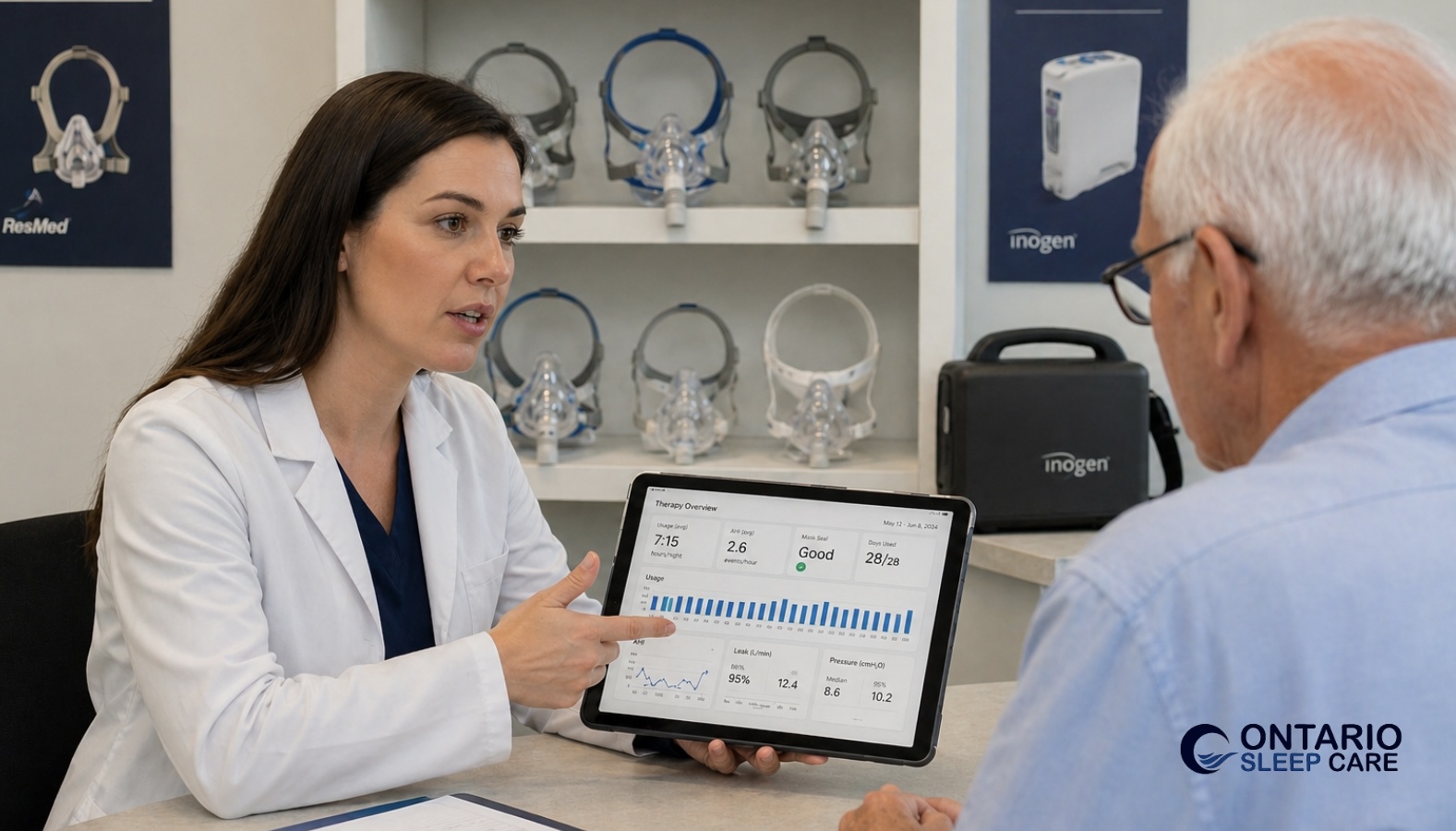
Second, a respiratory therapist fits you for a mask. Mask fit is one of the most important factors in CPAP success. A proper seal prevents air leaks and makes therapy far more comfortable. Expect to try a few options before settling on the right style.
Third, plan for a follow-up check within the first two weeks. Most new CPAP users have questions or need minor adjustments during this period. A good clinic makes that check easy and doesn’t charge for a new appointment every time you have a question.
Frequently Asked Questions About CPAP and Respiratory Care
How long does it take to adjust to CPAP therapy?
Most people adjust within two to four weeks. The first few nights often feel awkward, because wearing a mask during sleep takes getting used to. However, most patients who stick with therapy notice measurable improvement in how they feel within the first month.
Is CPAP covered by insurance in Ontario?
CPAP equipment is not covered by OHIP directly. However, the Assistive Devices Program (ADP) provides partial funding for eligible patients. Most private insurance plans also cover a portion of equipment costs. Your respiratory clinic can help you navigate funding options before you purchase.
What is the difference between CPAP and oxygen therapy?
CPAP uses pressurized air to keep your airway open during sleep. It does not add extra oxygen. Oxygen therapy delivers supplemental oxygen to patients with persistently low blood oxygen due to conditions other than sleep apnea. Most sleep apnea patients need CPAP only, not supplemental oxygen.
How do I know if my CPAP pressure settings are correct?
Your sleep study data determines your initial settings. Most modern machines track compliance data and breathing events automatically. Therefore, your care team can review that data and adjust settings as needed over time.
Start Your Respiratory Care Journey Today
Sleep apnea is a treatable condition. With the right respiratory equipment, proper setup, and ongoing clinical support, most patients experience real improvement in their sleep and overall health.
Ontario Sleep Care’s team of registered respiratory therapists provides CPAP consultations, equipment fitting, and long-term follow-up care across Ontario. Contact Ontario Sleep Care today to speak with a clinician about your respiratory health and find the right treatment path.