
Blog
Where to Find Trusted Medical and Sleep Equipment in Ontario (2026 Guide)
Finding the right CPAP machine or medical supply shouldn’t feel like a research project. But for most people, it does at first. You search “medical supply store near me,” land on a list of generic retailers, and still don’t know who actually understands sleep apnea equipment versus who just stocks it on a shelf.
This guide cuts through that. Here’s what to look for, what to ask, and how to make sure you’re getting equipment that is set up correctly and not just shipped in a box.
Why the Store Matters as Much as the Equipment
A CPAP machine is only as effective as the setup behind it. The pressure settings, the mask fit, the humidifier calibration: these details determine whether therapy actually works for you. However, many people buy equipment online or from a general medical supplier and end up struggling with discomfort, leaks, or poor results that feel like a personal failure.
They aren’t. In most cases, they’re a fitting issue or a settings issue. That’s exactly why it matters to work with a CPAP store staffed by people who specialize in sleep therapy and not general medical retail.
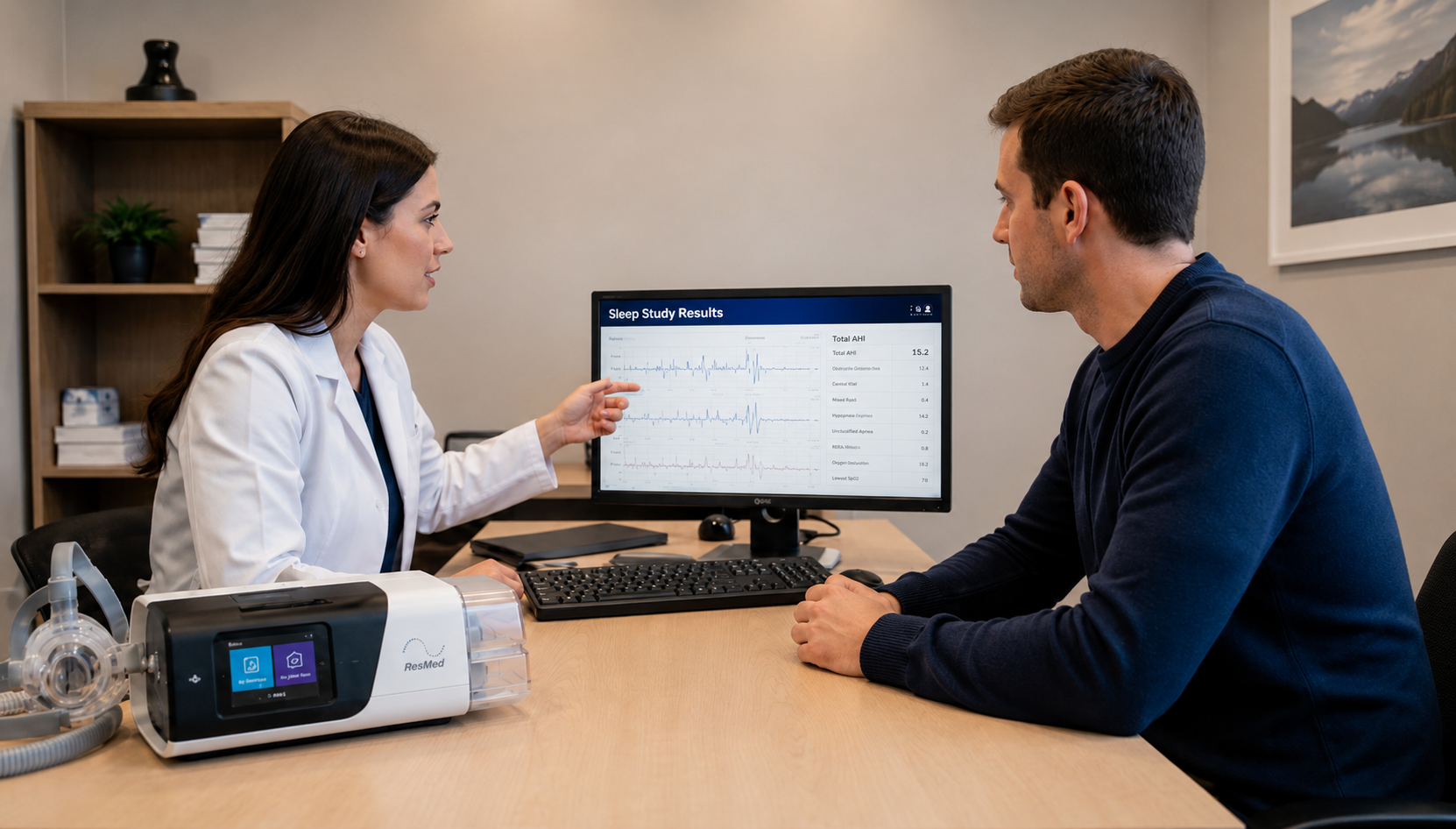
A respiratory professional who knows CPAP equipment well will ask about your sleep study results, your sleeping position, your history with masks, and whether you’ve tried therapy before. That conversation changes the outcome. Look for a CPAP store where that kind of conversation is the starting point, not an afterthought.
What to Look for in a CPAP Store in Ontario
Not every supplier is the same. Here’s what separates a strong CPAP provider from a basic one.
Clinical knowledge on staff. The person helping you should understand how your sleep apnea diagnosis connects to your equipment needs. If they can’t speak to that, keep looking.
Mask fitting support. Mask fit is the most common reason CPAP therapy fails. A good store will let you try options and check the seal before you leave.
Ongoing follow up care. The first two weeks of CPAP therapy are the hardest. You should be able to call or come back with questions without paying for a new appointment every time.
Access to CPAP supplies and replacements. Filters, tubing, and mask cushions all need regular replacement to keep therapy effective. A good supplier makes this easy, either in store or through a patient account online.
Help with insurance and funding. Equipment costs add up. A reputable provider will walk you through what’s covered under your private insurance or workplace benefits, and flag any provincial programs that might apply.
CPAP Canada: Understanding Your Equipment Options
The sleep apnea device market in Canada has expanded significantly. You’ll encounter a few main categories.
CPAP (Continuous Positive Airway Pressure) delivers a fixed, steady air pressure to keep your airway open throughout the night. It is the standard starting point for most obstructive sleep apnea diagnoses.
APAP (Auto Adjusting PAP) reads your breathing in real time and adjusts pressure as needed. Many patients find it more comfortable, particularly if their apnea varies by sleep position or stage.
BiPAP (Bilevel PAP) uses separate pressures for inhaling and exhaling. It is typically used for patients who find CPAP uncomfortable at higher pressures, or for certain respiratory conditions.
Your care provider should recommend a device based on your actual diagnostic results and not simply on what’s currently in stock.
Is CPAP Rental an Option?
Yes, and it’s worth knowing about. CPAP rental is a practical option if you’re waiting on insurance approval, trying therapy for the first time before committing to a purchase, or traveling and need short term access to equipment.
That said, rented equipment should still be properly fit and set up by a qualified professional. A rental handed over without any instruction or follow up is a missed opportunity.
Ask specifically whether the rental includes setup support and at least one follow up check. If it doesn’t, that’s a gap worth addressing before you take the machine home.
CPAP Supplies: What Needs Replacing and When
Most people don’t realize how much regular maintenance affects CPAP performance. CPAP supplies aren’t always top of mind until something starts feeling off. Here’s a general guide:
- Mask cushions and pillows: replace every 2 to 4 weeks
- Filters: disposable filters monthly, reusable filters every 6 months
- Tubing: every 3 months
- Full mask frame and headgear: every 6 to 12 months
- Humidifier water chamber: every 6 months
Worn components reduce the seal, introduce bacteria, and can quietly undermine your therapy results. A good CPAP store will remind you when supplies are due or set up a recurring order.
Ontario Sleep Care’s patient store carries supplies and replacement parts if you need to restock between clinical visits.
What About General Medical Supply Stores?
A general medical supply store near you might carry CPAP equipment, but there’s a meaningful difference between stocking a product and actually understanding it. For walkers, compression stockings, or basic wound care supplies, a general retailer works fine. For a sleep apnea device that you’ll be using every single night, the clinical expertise behind the sale matters.
If you’re deciding between a general medical supplier and a dedicated sleep clinic, consider whether they can actually review your sleep study results with you, fit your mask properly, and follow up on how therapy is going. Most general medical retailers can’t do those things.
Next Steps
If you’re ready to get started with CPAP therapy, or replace equipment that isn’t working anymore, here’s a straightforward path:
- Confirm you have a completed sleep apnea test and a current diagnosis on file
- Book a device consultation with a respiratory professional who specializes in sleep therapy
- Get your mask properly fit before you leave the store
- Set up a follow up for your first two weeks on therapy
- Ask about CPAP supplies and when replacements are typically needed
The right equipment, properly set up and supported, makes a real difference. Contact Ontario Sleep Care to get started.