Blog
Respiratory Support Plans and CPAP Therapy for Sleep Apnea in Ontario
If you have been diagnosed with sleep apnea, understanding your care options can feel overwhelming at first. Respiratory support for sleep apnea starts with CPAP therapy. However, knowing what that involves, what equipment you need, and how to find the right provider makes all the difference. This guide walks you through exactly that.
What a Respiratory Support Plan Includes
A respiratory support plan is a personalized program that guides your sleep apnea treatment from start to finish. It records your diagnosis, your prescribed therapy settings, your equipment type, and the goals your care team wants you to reach. Therefore, everyone involved in your care works from the same document.
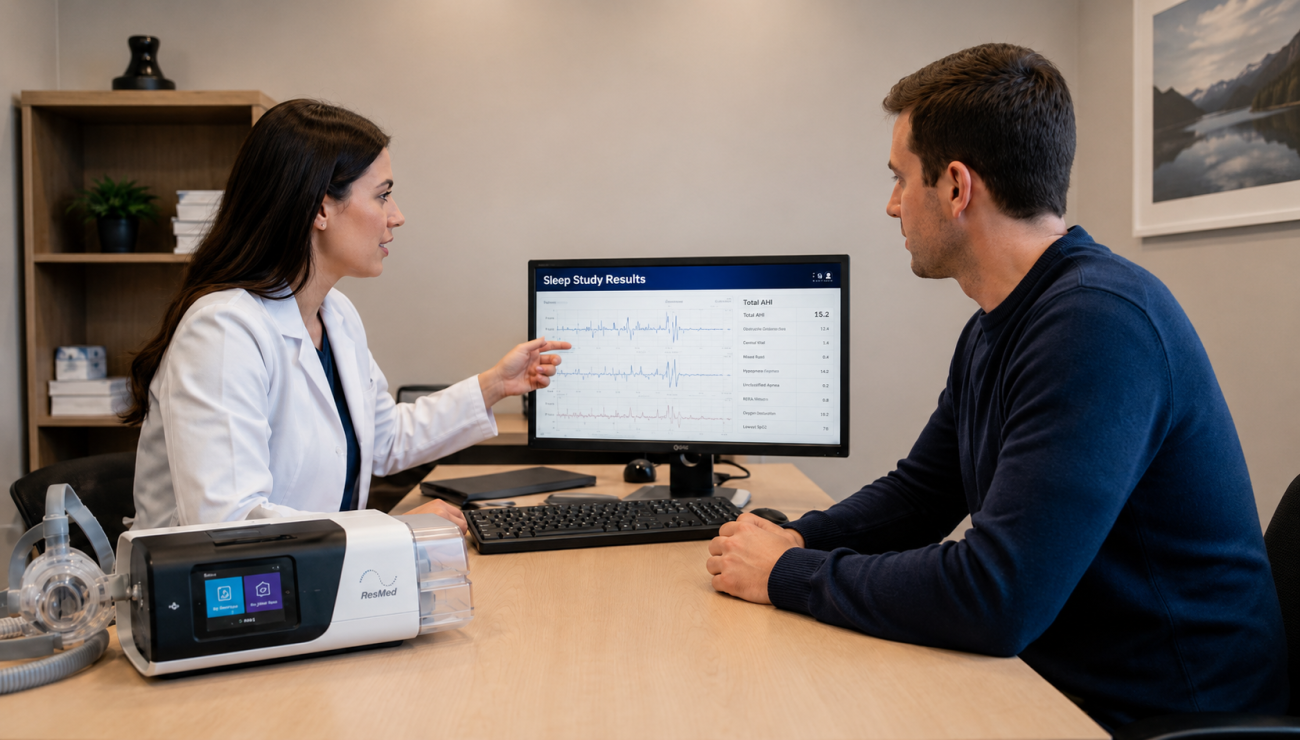
Building the plan starts with an assessment. Your care team reviews your sleep study results, notes your daily routine, and recommends the right device and pressure settings. For example, a patient who moves frequently during the night may need different settings than one who stays in a single position.
The plan also covers follow up. It outlines what to watch for during therapy, when to check in with your provider, and how to adjust if something is not working. In contrast to a generic prescription, a proper respiratory support plan adapts as your needs change over time.
Ontario Sleep Care’s team of Sleep Clinicians works with patients and physicians to create care plans that fit real life. Visit the physician referral page to learn how the clinical team supports both prescribers and patients throughout the process.
CPAP Therapy: The Core of Sleep Apnea Treatment
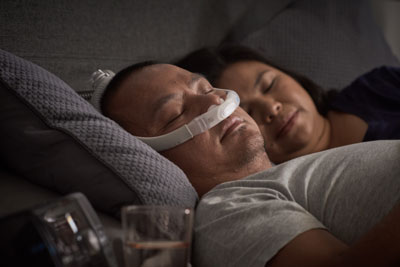
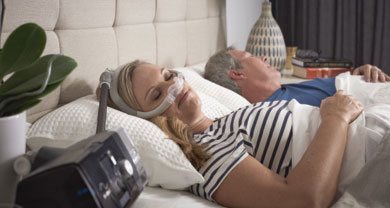
CPAP stands for continuous positive airway pressure. It is the standard treatment for obstructive sleep apnea. CPAP works by delivering a steady stream of pressurized air through a mask, keeping your airway open during sleep and preventing the breathing interruptions that disrupt your rest.
Without treatment, sleep apnea raises the risk of high blood pressure, stroke, and heart disease. However, consistent CPAP therapy resolves most of these risks. Many patients notice real improvements in their energy and concentration within the first few weeks of treatment.
Effective CPAP therapy depends on proper setup and ongoing support. A Sleep Clinician should review your sleep study results, fit you for a mask, and check in during your first weeks on therapy. As a result, issues with comfort or compliance get caught early and fixed quickly.
You can read more about the risks of untreated sleep apnea to understand why starting treatment promptly matters for your long term health.
CPAP Equipment Options: What You Need to Know
CPAP is the most common PAP therapy device, but it is not the only one. Depending on your sleep study results, your care team may recommend a different option. The right choice depends on your specific diagnosis, not on what happens to be available.
| Device Type | How It Works | Best For | ADP Funding? |
|---|---|---|---|
| CPAP | Fixed steady pressure throughout the night | Most obstructive sleep apnea diagnoses | Partial (income based) |
| APAP | Auto adjusting pressure based on your breathing | Variable apnea, comfort preference | Partial (income based) |
| BiPAP | Separate pressures for inhaling and exhaling | High pressure needs, complex sleep apnea | Partial (income based) |
You can explore all sleep apnea treatment options to understand which device type your care team may recommend based on your diagnosis.
CPAP Rental vs. Buying: Which Makes More Sense?
CPAP rental is the most common way Ontarians access sleep apnea equipment. Rental means you pay a monthly fee that typically covers the machine, all maintenance, and replacement parts. As a result, you are never stuck with a broken device or an outdated model.
Buying your own equipment can make sense if your need is long term and your condition is stable. However, you take on the cost of repairs and eventual replacement yourself. For most patients starting out, rental keeps costs predictable and support close at hand.
Ontario’s Assistive Devices Program (ADP) partially funds CPAP equipment for eligible patients. Your homecare provider can help you apply. Always confirm your coverage directly with your provider and the Ministry of Health before committing to a plan.
Whether you rent or buy, the right respiratory solutions go beyond the machine itself. Tubing, masks, filters, and humidifiers all need regular replacement. You can browse the Ontario Sleep Care patient store to stock up on the consumables your equipment needs.
CPAP and Home Oxygen: Understanding the Difference
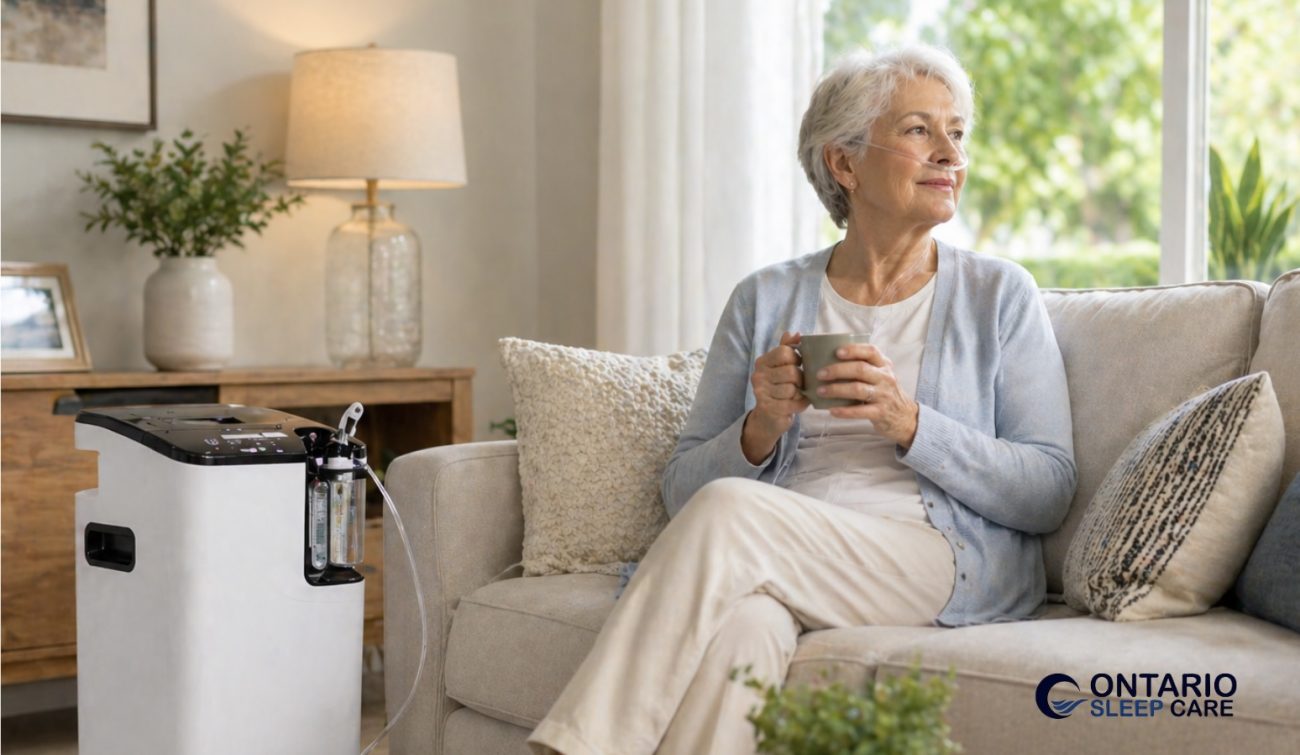
Some patients ask whether home oxygen service is part of sleep apnea treatment. For most people, it is not. CPAP therapy alone resolves the breathing disruptions and overnight oxygen drops associated with obstructive sleep apnea.
Home oxygen service is prescribed for patients with persistently low blood oxygen levels due to conditions like COPD, pulmonary fibrosis, or heart failure. A physician must assess and prescribe this separately from CPAP therapy. Therefore, if you think you may need supplemental oxygen, speak with your doctor directly.
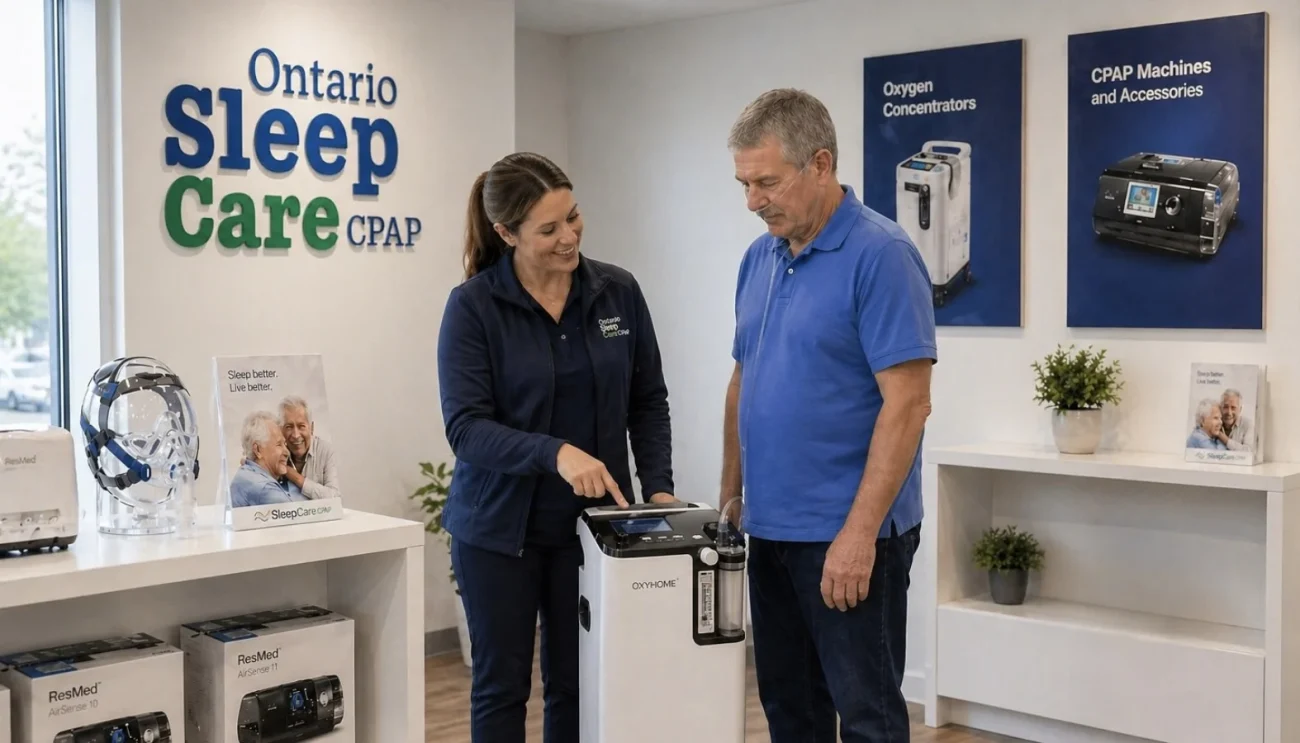
Your physician and a licensed oxygen equipment provider can walk you through home oxygen options and ADP funding. Ontario Sleep Care focuses specifically on CPAP therapy and sleep apnea care.
How to Choose a Homecare Provider in Ontario
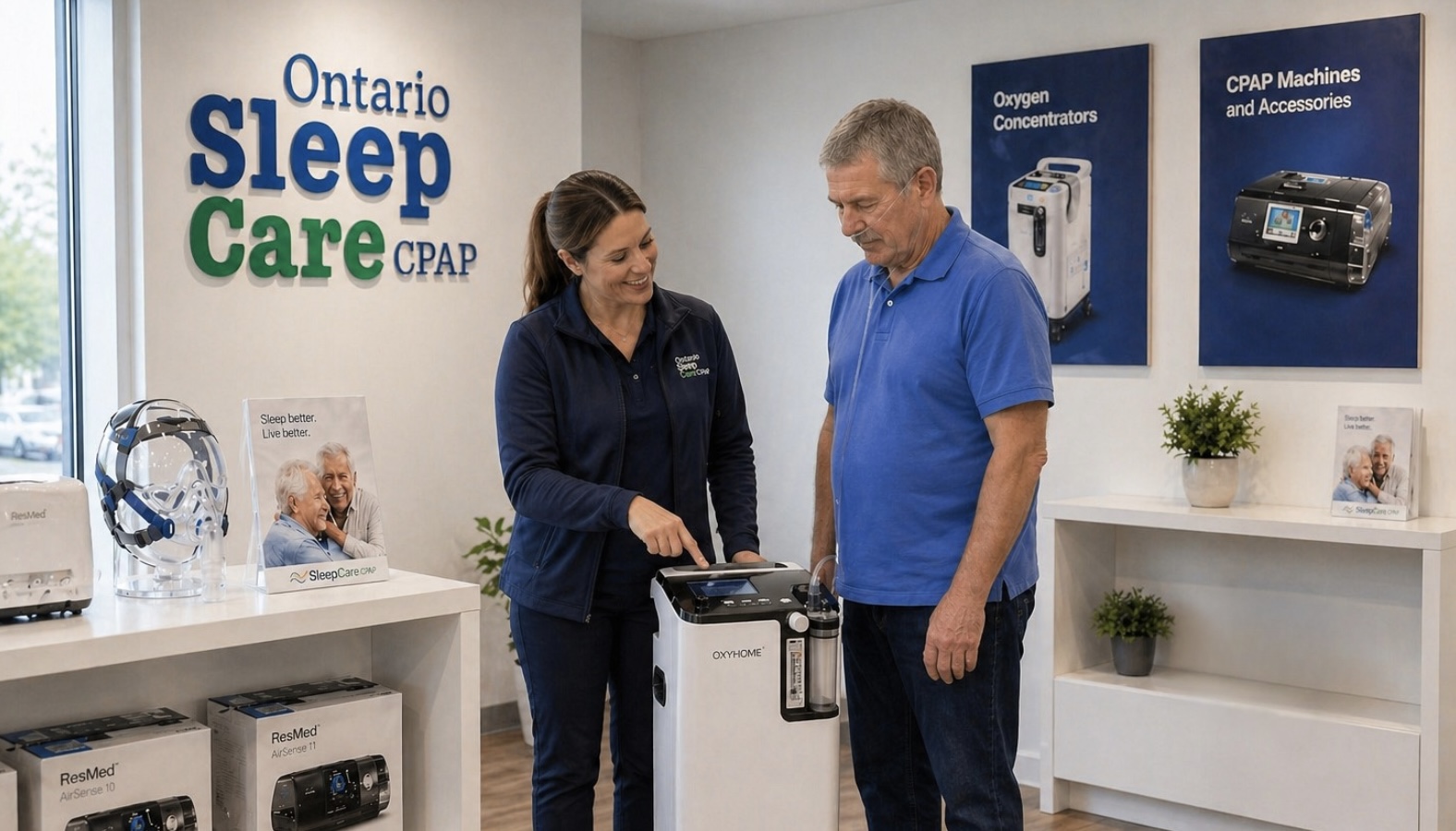
Your homecare provider is the clinic or company that delivers, sets up, and maintains your CPAP equipment. Choosing the right one matters because you will work with them for months or years. Look for a provider that employs Sleep Clinicians, offers ongoing follow up, and has a clear process for adjusting your therapy over time.
Ask potential providers these questions before you commit. Do they accept your provincial funding? How quickly can they respond if equipment fails? Will a Sleep Clinician assess your needs in person, or is everything handled remotely? Additionally, do they coordinate directly with your physician?
Experience in sleep therapy is a real advantage. Because sleep apnea is a chronic condition, a provider who understands the full picture of your care saves you time and reduces the risk of issues going unaddressed. Ontario Sleep Care serves patients across Ontario with exactly this kind of focused, long term support.
If you are not sure where to begin, the signs and symptoms page is a good starting point before your first appointment.
Frequently Asked Questions
Do I need a prescription for CPAP therapy?
Yes. CPAP therapy requires a valid sleep study and a prescription from a licensed physician or Sleep Clinician. Your pressure settings must be specified before a provider can set up your equipment. Ontario Sleep Care can coordinate both the diagnostic testing and the prescription process.
Does OHIP or the Assistive Devices Program cover CPAP?
OHIP does not cover CPAP equipment directly. However, Ontario’s Assistive Devices Program (ADP) covers a portion of costs for eligible patients. Most private insurance plans also cover a share of equipment costs. Ask your provider to walk you through the application, because the process has several steps.
What is the difference between CPAP and home oxygen?
CPAP uses pressurized air to keep your airway open during sleep. It does not add extra oxygen. Home oxygen service delivers supplemental oxygen to patients with persistently low blood oxygen due to conditions other than sleep apnea. Most sleep apnea patients need CPAP only, not supplemental oxygen.
How often does my respiratory support plan need to be reviewed?
Most plans are reviewed at least annually, or sooner if your condition changes. Your provider should flag any significant changes in your therapy data to your prescribing physician. Regular reviews make sure your settings stay accurate and your equipment continues to meet your needs.
Can I travel with CPAP equipment?
Yes. Most modern CPAP machines are designed for travel and work with international power supplies. Airlines allow CPAP devices as medical carry on items. Your homecare provider can help you prepare the documentation airlines typically require and advise on battery options for flights.
Respiratory support for sleep apnea works best when it is backed by a clear care plan, the right CPAP equipment, and a provider who stays involved over time. Whether you are newly diagnosed or looking to improve your current therapy, the key is finding a team that understands your full respiratory picture. Contact the Ontario Sleep Care team today to find the respiratory solutions that fit your life.