Blog
Improving Sleep and Breathing: Modern Approaches to Respiratory Wellness
Respiratory homecare solutions have changed the way Canadians manage breathing and sleep conditions at home. Whether you are dealing with sleep apnea, COPD, or another breathing disorder, today’s treatments are more effective and more comfortable than ever before. You no longer need to rely on hospital visits for every aspect of your care. Modern equipment and expert support bring respiratory wellness right into your bedroom. Understanding your options is the first step toward better sleep and better health.
What Is Sleep Apnea and Why Does Treatment Matter?
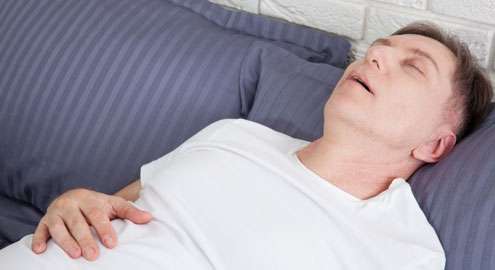
Sleep apnea is a condition where your breathing repeatedly stops and starts during sleep. Each pause can last from a few seconds to over a minute. As a result, your body never reaches the deep, restorative stages of sleep it needs. Over time, untreated sleep apnea raises your risk of heart disease, stroke, high blood pressure, and type 2 diabetes.
Many people do not even know they have sleep apnea. They wake up tired, struggle to concentrate, and rely on coffee just to get through the afternoon. However, these symptoms are easy to dismiss as stress or a busy lifestyle. That said, if you regularly snore, wake with headaches, or feel exhausted after a full night in bed, it is worth speaking with a healthcare provider.
Effective sleep apnea management begins with a proper diagnosis. From there, you can explore the treatment that fits your lifestyle. To understand the full picture, including complications and risk factors, visit Ontario Sleep Care’s sleep apnea information hub, which covers signs, symptoms, and treatment options in plain language.
CPAP Therapy: The Gold Standard for Sleep Apnea Management
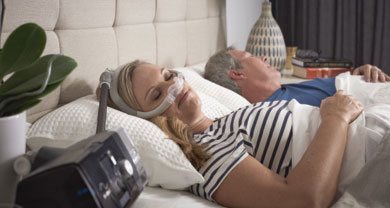
Continuous positive airway pressure (CPAP) therapy is the most widely recommended treatment for obstructive sleep apnea. A CPAP machine delivers a steady stream of pressurized air through a mask while you sleep. This airflow keeps your throat open and prevents the breathing pauses that disrupt your rest. Most people notice a dramatic improvement in energy levels within the first few weeks of consistent use.
Modern CPAP machines are much quieter and smaller than older models. Many include built in humidifiers, which reduce dryness and irritation in the nose and throat. Additionally, auto adjusting CPAP machines, often called APAP devices, vary the pressure throughout the night to match your breathing patterns. This makes therapy more comfortable and easier to stick with long term.
Choosing the right mask is just as important as choosing the right machine. There are three main mask styles: full face, nasal, and nasal pillow. Each suits a different sleeping position and breathing habit. To learn more about which style might suit you best, read the Ontario Sleep Care guide on how to choose the right CPAP mask type for your therapy.
Once you have your equipment, keeping it clean is essential. Dirty equipment can cause infections and reduce how well your therapy works. For step by step guidance, read the Ontario Sleep Care blog post on cleaning and sanitizing your CPAP.
Oxygen Therapy and Respiratory Homecare: What You Need to Know
Oxygen therapy is prescribed for people with conditions that reduce the amount of oxygen the blood can carry, such as COPD, pulmonary fibrosis, or heart failure. The goal is to deliver supplemental oxygen so your body gets what it needs to function properly. It is a separate treatment from CPAP therapy and is not offered by Ontario Sleep Care.
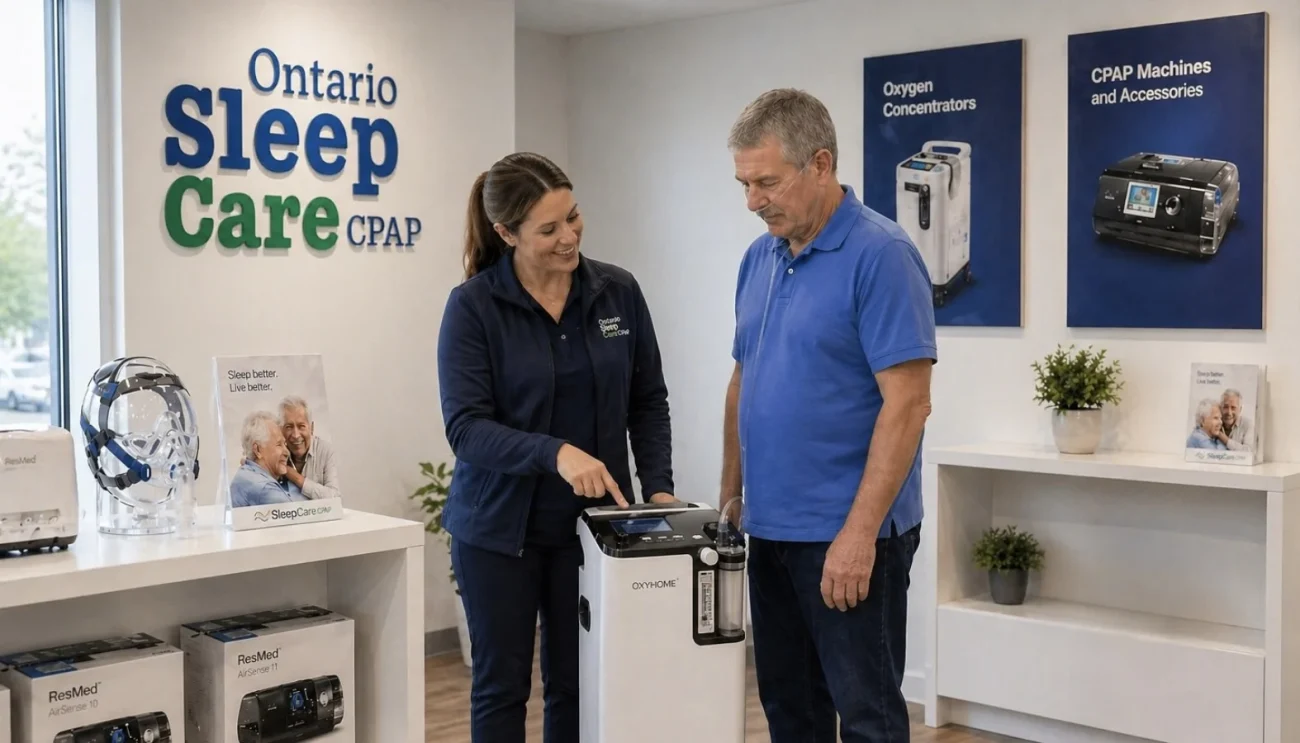
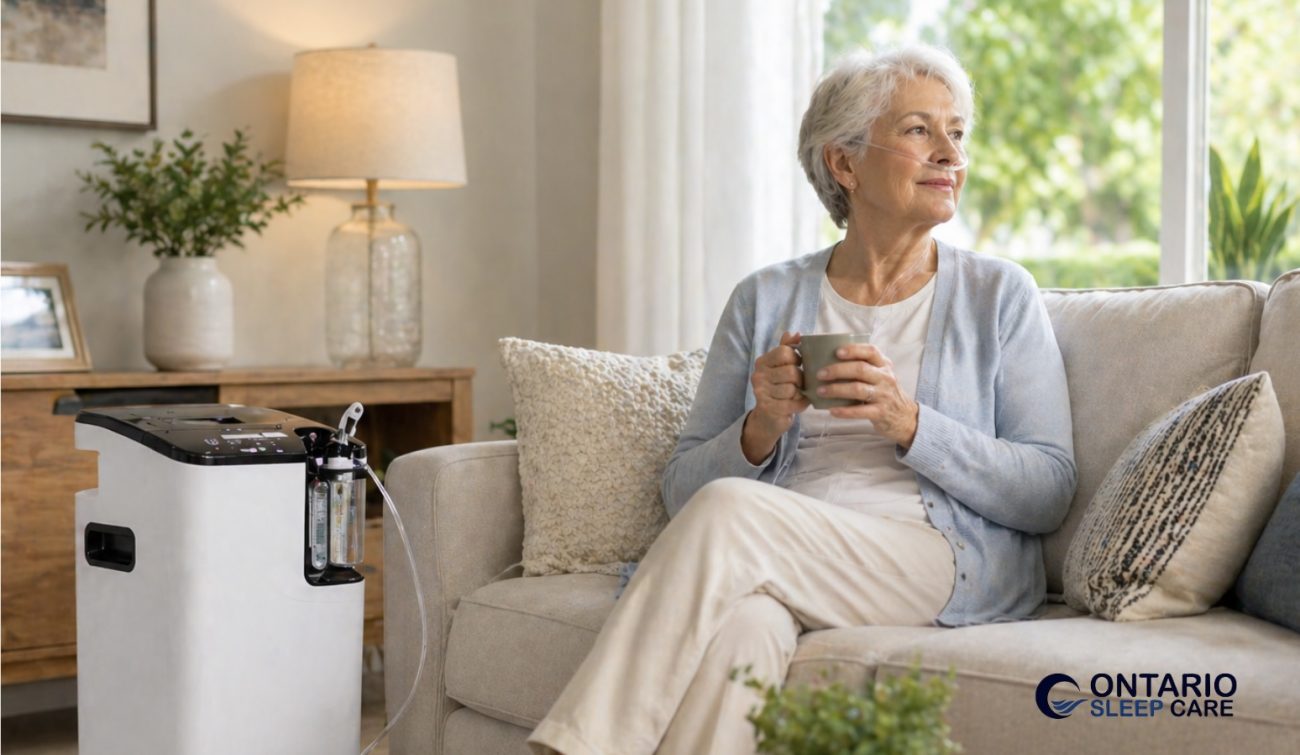
Home oxygen therapy typically uses one of three delivery systems. Concentrators pull oxygen from room air and are the most common choice for everyday use. Compressed oxygen tanks are portable but need to be refilled. Liquid oxygen systems store more oxygen in a smaller container and work well for people who are frequently on the move.
If you have been prescribed home oxygen, speak with your physician and a licensed oxygen equipment provider. They will assess your flow rate requirements, recommend the right system, and help you apply for funding through Ontario’s Assistive Devices Program. Ontario Sleep Care focuses specifically on CPAP therapy and sleep apnea care.
Comparing Common Respiratory Homecare Solutions at a Glance
The table below compares common respiratory treatments. Note that Ontario Sleep Care provides CPAP, APAP, and BiPAP therapy for sleep apnea. Home oxygen therapy requires a physician prescription and a licensed oxygen provider.
| Treatment | Best For | Key Benefit | Main Consideration |
|---|---|---|---|
| CPAP Therapy | Obstructive sleep apnea | Keeps airway open during sleep | Requires nightly mask use |
| APAP Therapy | Sleep apnea with variable pressure needs | Auto adjusts pressure for comfort | Higher upfront cost than standard CPAP |
| BiPAP Therapy | Central sleep apnea or COPD | Separate pressures for inhale and exhale | Requires specialist prescription |
| Home Oxygen Therapy | COPD, pulmonary fibrosis, low blood oxygen | Raises blood oxygen levels | Requires physician prescription. Contact a licensed oxygen provider. Not offered by OSC. |
| Oral Appliance Therapy | Mild to moderate sleep apnea | No mask required, easy to travel with | Less effective for severe cases |
Building Better Sleep Habits Alongside Your Therapy
Medical treatment is only one part of good sleep therapy solutions. The habits you build around your sleep matter just as much. A consistent bedtime and wake time, even on weekends, helps regulate your body clock. This makes it easier to fall asleep and wake up feeling refreshed. Additionally, a cool, dark, and quiet bedroom creates the conditions your body needs for deep, restorative sleep.
Avoid screens for at least an hour before bed. Blue light from phones, tablets, and televisions signals your brain to stay awake. Similarly, avoid large meals, caffeine, and alcohol close to bedtime. These substances interfere with the quality of your sleep, even if they do not seem to keep you awake at first.
Exercise is one of the most effective ways to improve sleep quality over time. However, intense exercise within two hours of bedtime can have the opposite effect and make it harder to fall asleep. Aim for moderate activity, such as a brisk walk, in the afternoon or early evening for the best results.
Finally, managing stress is critical for respiratory wellness. Stress and anxiety increase muscle tension and can worsen breathing patterns during sleep. For a deeper dive into the science behind restful nights, the Ontario Sleep Care blog post on why good sleep is important is a helpful read.
How to Stay Consistent With Your Respiratory Care Routine
Starting therapy is one thing. Sticking with it long term is another. Many people find the first few weeks of CPAP therapy challenging. The equipment feels unfamiliar, and sleep may temporarily worsen before it improves. This is completely normal. However, most people who push through the adjustment period report significant improvements in energy, mood, and daytime concentration within a month.
Set up your equipment in a dedicated spot beside your bed so it becomes part of your routine, like brushing your teeth. Use a reminder on your phone if needed. Additionally, track how you feel each morning in a simple journal or app. This helps you identify patterns and gives your care team useful data during follow up appointments.
If your mask leaks, causes discomfort, or leaves marks on your face, do not simply put up with it. A poor mask fit is one of the most common reasons people abandon CPAP therapy. For a deeper look at how to find the right fit, the Ontario Sleep Care article on whether a bigger CPAP mask is always better is well worth reading before your next equipment review.
Frequently Asked Questions
How do I know if I need a CPAP machine?
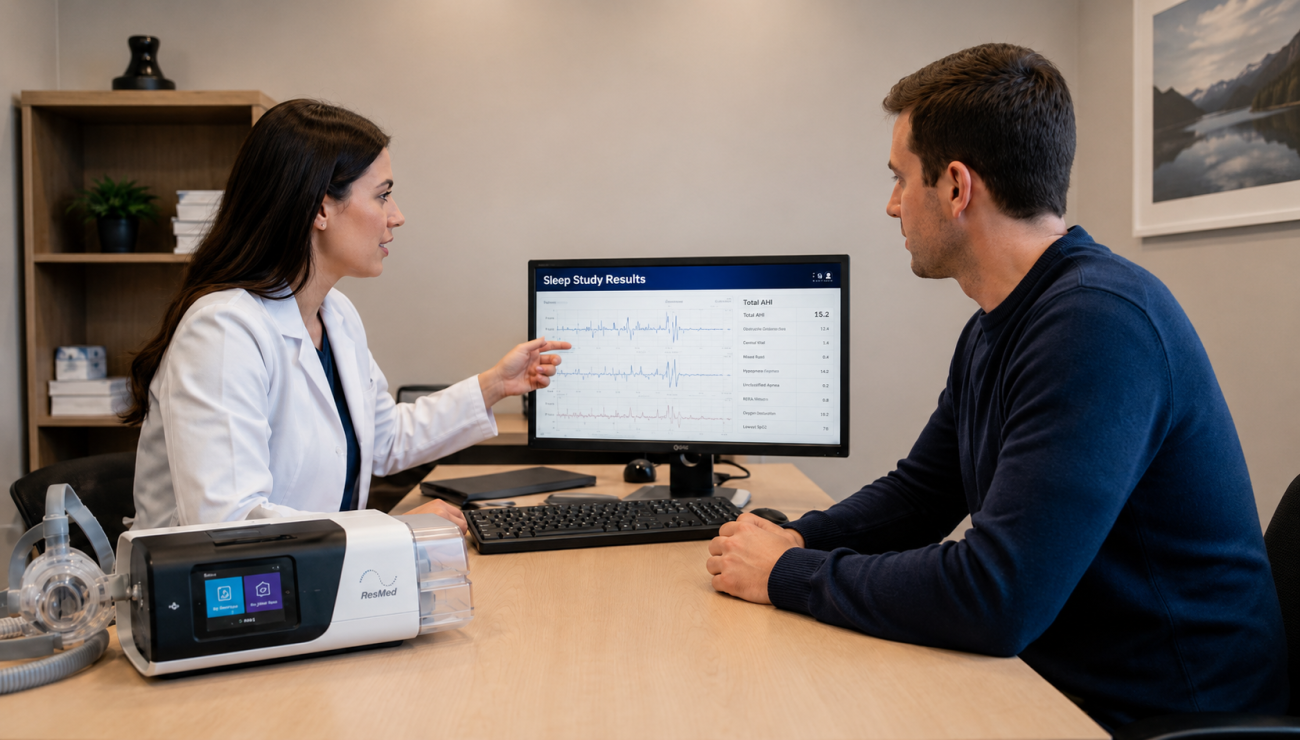
A sleep study is the only reliable way to diagnose sleep apnea and determine whether CPAP therapy is right for you. Your doctor can refer you for an at home or in lab sleep test. Common signs that suggest a test is a good idea include loud snoring, waking up gasping, and persistent daytime fatigue despite getting enough hours of sleep.
Is oxygen therapy the same as CPAP therapy?
No. They treat different conditions and work in different ways. CPAP therapy keeps your airway open by delivering pressurized air during sleep. Oxygen therapy raises the concentration of oxygen in the air you breathe to address low blood oxygen levels. Some people with complex respiratory conditions may use both, but they are separate treatments prescribed for separate reasons.
How often should I replace my CPAP equipment?
Replacement schedules vary by component. Mask cushions typically need replacing every one to three months. Full mask frames and headgear usually last six months to a year. CPAP filters may need changing monthly. Your machine itself can last five or more years with proper care. Following a regular replacement schedule keeps your therapy hygienic and effective.
Can I travel with my CPAP equipment?
Yes. Most CPAP machines are travel friendly and approved for use on aircraft. For tips on managing your equipment away from home, the Ontario Sleep Care guide to travelling with CPAP covers everything you need to know.
What is the difference between a nasal mask and a full face CPAP mask?
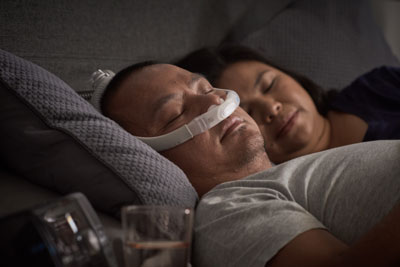
A nasal mask covers only your nose and suits people who breathe through their nose during sleep. A full face mask covers both the nose and mouth and works better for mouth breathers or people with frequent nasal congestion. Nasal pillow masks are the most minimalist option, sealing at the nostrils with small soft inserts. Choosing the right style depends on your breathing habits, face shape, and how active you are as a sleeper.
Respiratory homecare solutions give you the tools to take control of your breathing and sleep health from the comfort of your own home. Whether you are starting CPAP therapy for sleep apnea or building better sleep habits, the right support makes all the difference. Ontario Sleep Care is here to help at every step, from choosing equipment to staying on track with your therapy. Visit the Ontario Sleep Care patient resource centre to explore equipment options, informative guides, and expert support.