Blog
CPAP and Dry Mouth: Why It Happens and How to Fix It
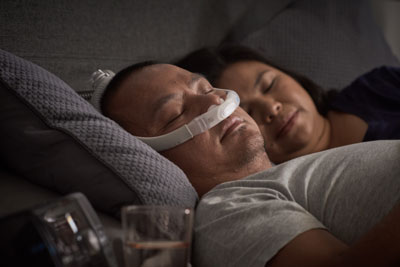
CPAP dry mouth is one of the most common complaints among new CPAP users. However, it is also one of the most fixable. Dry mouth from CPAP therapy is almost always caused by a specific, identifiable issue, and most cases resolve quickly once that issue is addressed. This guide explains why CPAP dry mouth happens, what you can do about it, and when it is worth contacting your Sleep Clinician.
Why Does CPAP Cause Dry Mouth?
CPAP therapy delivers pressurized air continuously throughout the night. When this air escapes through your mouth instead of following the intended path through your airway, it dries out the mouth, throat, and nasal passages. This is the most common cause of CPAP related dry mouth.
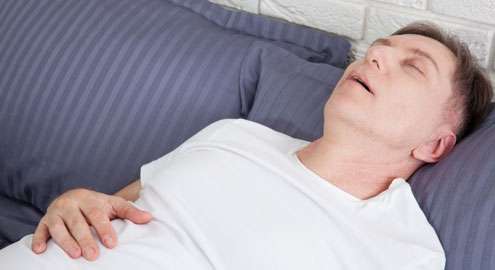
There are two main reasons air escapes through the mouth. First, mouth breathing during sleep. If you naturally breathe through your mouth at night, the pressurized air from your CPAP will flow out through your mouth rather than staying in your airway where it belongs. Second, mask leaks. A mask that does not seal properly around the face allows air to escape, reducing therapy effectiveness and contributing to dryness.
Additionally, if your CPAP machine does not have a humidifier or the humidifier is set too low, the dry pressurized air can irritate the mucous membranes in your nose, mouth, and throat. This is particularly noticeable in winter when indoor air is already drier than usual.
Simple Fixes for CPAP Dry Mouth
Most cases of CPAP dry mouth are resolved by addressing one or more of the following causes. Start with the simplest fix first and work through the list until you find what works for your situation.
Use or Increase Your Humidifier Setting
If your CPAP machine has a built in humidifier, make sure it is turned on and set to an appropriate level. Many machines default to a low humidity setting that is not sufficient for everyone. Try increasing the humidity level gradually until dryness improves. A heated humidifier is more effective than a non heated one, particularly in dry or cold climates. If your machine does not have a humidifier, speak with your Sleep Clinician about adding one.
Switch to a Full Face Mask
If you are using a nasal mask or nasal pillow mask but breathe through your mouth during sleep, air will escape from your mouth all night. Switching to a full face mask, which covers both the nose and mouth, solves this problem directly. This is the most effective solution for confirmed mouth breathers. Your Sleep Clinician can assess your breathing patterns and help you choose the right mask style. You can also read the guide on choosing the right CPAP mask type to understand the options.
Try a Chin Strap
A chin strap wraps around the head and keeps the mouth closed during sleep. It is a lower cost alternative to switching masks and works well for patients who only mouth breathe occasionally rather than habitually. However, it is less reliable than a full face mask for consistent mouth breathers. Your Sleep Clinician can advise whether a chin strap is appropriate for your situation.
Check and Improve Your Mask Fit
A leaking mask contributes significantly to CPAP dry mouth. If your mask leaves red marks, whistles, or you wake up with air blowing in unexpected directions, the seal is likely inadequate. Tighten the headgear slightly or try a different mask cushion size. If the problem persists, book a mask fitting appointment with your Sleep Clinician. Small adjustments to fit can make a significant difference.
Drink Water Before Bed
Staying well hydrated throughout the day and drinking a glass of water before bed reduces baseline mouth dryness. This will not solve the underlying cause, but it can reduce discomfort while you work through the other fixes above.
CPAP Settings That Can Help With Dry Mouth
In some cases, CPAP pressure settings contribute to dry mouth. Higher pressure settings push more air through the system, which increases the likelihood of mouth breathing and air leaks. If you are on a fixed pressure CPAP machine, speak with your Sleep Clinician about whether switching to an APAP device makes sense for your situation.
APAP machines adjust pressure automatically based on your breathing patterns throughout the night. Because they deliver the minimum effective pressure at any given moment, they may reduce the airflow volume that contributes to dryness. Additionally, the ramp up feature available on most machines allows you to fall asleep at a lower pressure before the device gradually increases to your prescribed level. This can make therapy more comfortable, especially in the early weeks.
When to Call Your Sleep Clinician About CPAP Dry Mouth
If CPAP dry mouth persists despite trying the fixes above, it is time to contact your Sleep Clinician. Persistent dryness that does not respond to humidifier adjustment and mask improvements may indicate a more specific issue with your equipment settings, mask selection, or therapy compliance data.
Your Sleep Clinician can review the data from your CPAP machine, which records nightly usage, leak rates, and breathing events. This data often reveals the specific cause of discomfort much faster than trial and error at home. Therefore, do not put up with persistent dry mouth when a simple clinic review could identify and solve the problem quickly.
Additionally, if dry mouth is accompanied by a sore throat, nasal congestion, or nosebleeds, these symptoms suggest the airway is consistently drying out during therapy. This warrants a prompt review with your Sleep Clinician rather than self managing at home.
Keeping Your Equipment Clean Reduces CPAP Dry Mouth
Dirty CPAP equipment introduces bacteria and mineral deposits into the airflow, which can irritate the airways and worsen dryness and discomfort. Regular cleaning of your mask, tubing, and humidifier water chamber is essential for both hygiene and comfort.
The humidifier water chamber should be cleaned daily with warm soapy water and rinsed thoroughly. Use distilled water in the chamber rather than tap water, as tap water contains minerals that can leave deposits over time. Mask cushions should be wiped down daily and replaced on schedule.
The full cleaning and maintenance routine is covered in detail in the Ontario Sleep Care guide to cleaning and sanitizing your CPAP. The Sleep Foundation also has guidance on managing CPAP side effects if you want additional context.
Frequently Asked Questions
Why do I wake up with dry mouth when using CPAP?
The most common causes of CPAP dry mouth are mouth breathing during sleep, a mask that does not seal properly, or a humidifier that is set too low. Increasing your humidifier setting, switching to a full face mask, or improving your mask fit usually resolves the issue.
Can a CPAP humidifier prevent dry mouth?
Yes, in most cases. A built in heated humidifier adds moisture to the air delivered by your CPAP machine, which reduces dryness significantly. If your machine has a humidifier, make sure it is activated and set to a level that works for your environment. In dry or cold climates, you may need a higher setting than the default.
Should I use a full face mask if I have dry mouth from CPAP?
If you breathe through your mouth during sleep, a full face mask is often the most effective solution. Nasal and nasal pillow masks allow air to escape through the mouth, causing dryness. A full face mask covers both the nose and mouth, preventing this. Your Sleep Clinician can confirm whether mouth breathing is the cause and recommend the right mask style for your situation.
Is dry mouth from CPAP dangerous?
CPAP dry mouth is uncomfortable but not dangerous in most cases. However, persistent dry mouth that goes unaddressed can lead to throat irritation, increased susceptibility to oral health issues, and poor therapy compliance. It is worth addressing promptly rather than putting up with discomfort. Contact your Sleep Clinician if the problem persists.
How often should I replace my CPAP mask to prevent dry mouth?
Mask cushions should typically be replaced every one to three months. Worn cushions lose their seal, allowing air to escape and contributing to CPAP dry mouth and poor therapy. Staying on the replacement schedule is one of the most effective ways to maintain a proper seal.
CPAP dry mouth is common and almost always fixable. Do not let it become a reason to stop using your therapy. Contact Ontario Sleep Care to speak with a Sleep Clinician about your specific situation and find the right solution quickly.