Blog
How Respiratory Care and CPAP Therapy Improve Long-Term Wellness

Respiratory care is one of the most important factors in long term health, and it is easy to overlook until something goes wrong. If you or someone you love lives with sleep apnea or another breathing condition, getting the right respiratory support can change your daily life. It can help you sleep better, think more clearly, move with less effort, and protect your heart and lungs over time. This article explains how proper respiratory care works, what CPAP therapy does, and how to build a sustainable treatment routine that supports your wellness for years to come.
Why Respiratory Care Matters for Long Term Health
Every cell in your body needs oxygen. When your airways do not work at full capacity, your body works harder to compensate. Over time, that extra strain adds up. It can affect your heart, your brain, your energy levels, and your immune system.
Conditions like sleep apnea, COPD, and asthma all interfere with how well your body moves oxygen into your blood. However, with consistent respiratory care, many people manage these conditions effectively and live full, active lives.
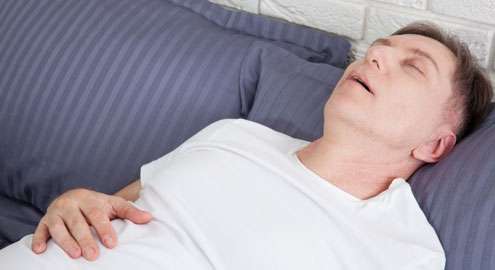
For example, people with untreated sleep apnea experience repeated drops in blood oxygen while they sleep. This puts stress on the cardiovascular system and disrupts the quality of rest. You can read more about the risks of untreated sleep apnea and why early treatment matters.
Additionally, respiratory wellness is not just about managing a diagnosis. It is about giving your body what it needs to function well every day. That means consistent treatment, the right equipment, and regular check ins with your care team.
What CPAP Therapy Does and Who It Helps
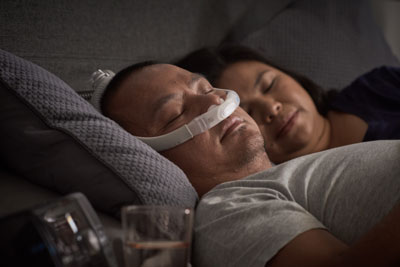
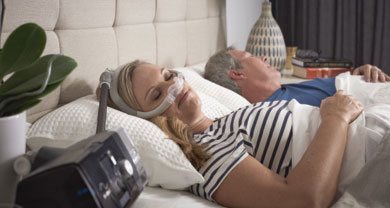
CPAP therapy delivers pressurized air to people whose airways collapse repeatedly during sleep. It is the standard treatment for obstructive sleep apnea. When your airway stays open throughout the night, blood oxygen remains stable and your body gets the rest it needs.
The benefits extend well beyond sleep quality. Consistent CPAP therapy reduces cardiovascular strain, lowers blood pressure, improves daytime energy, and supports better mental focus. Many patients notice real changes within the first few weeks of treatment.
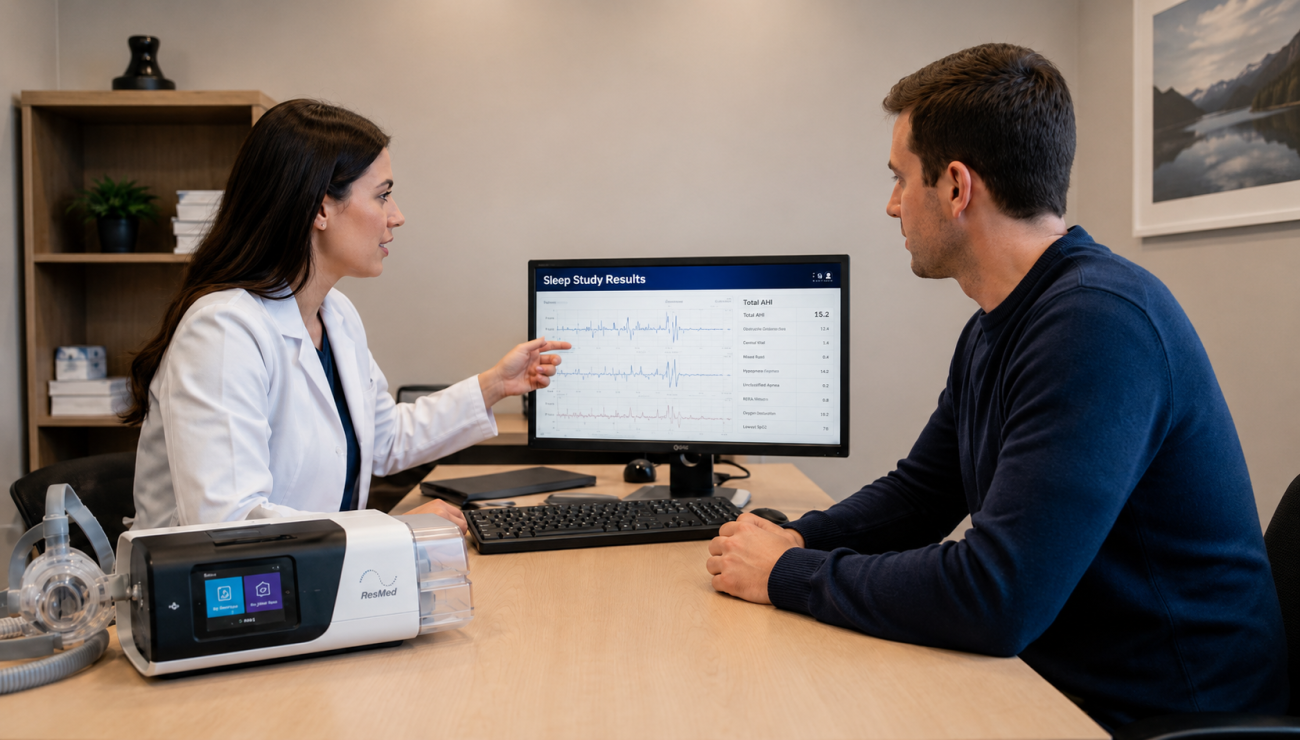
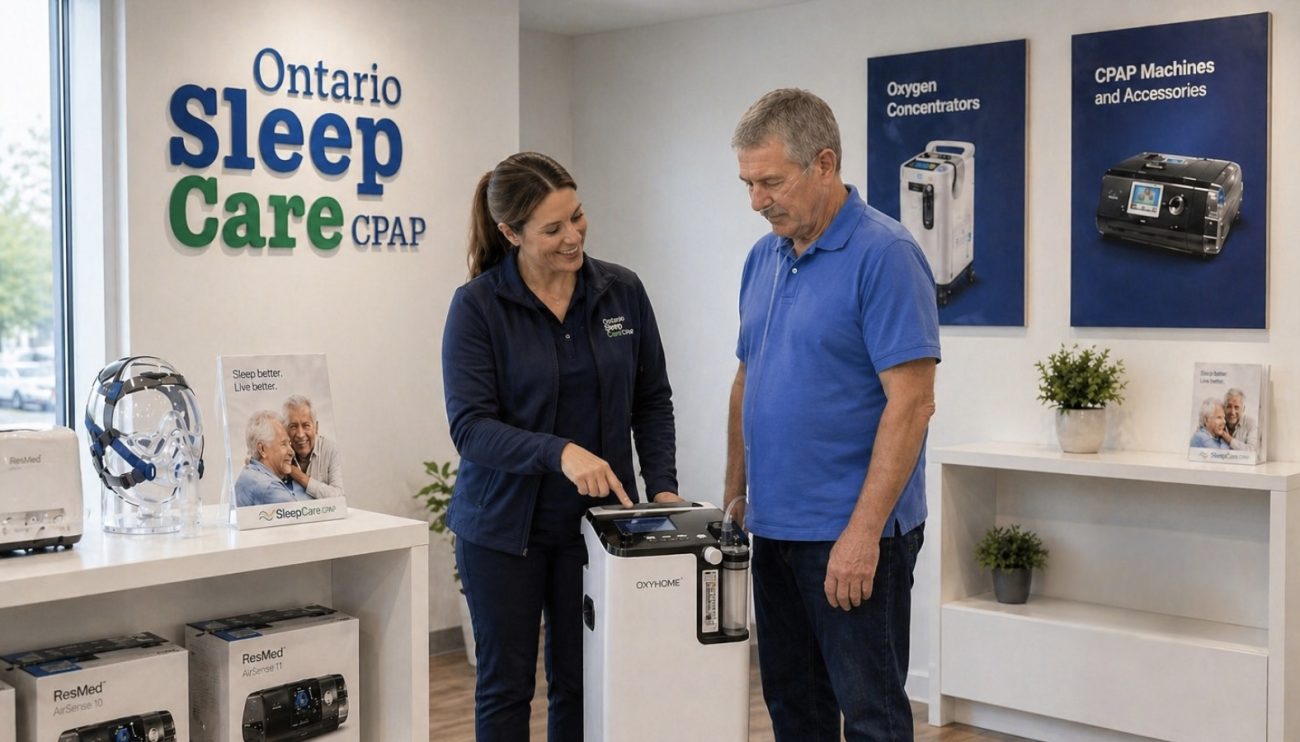
CPAP therapy works best when it is set up correctly and supported over time. A Sleep Clinician should review your sleep study results, fit you for a mask, and check in during your first weeks on therapy. As a result, comfort issues and compliance problems get resolved before they affect your outcomes.
You can explore sleep apnea treatment options to understand how CPAP fits into your overall care plan.
Building an Effective CPAP Therapy Routine
Getting your CPAP setup right from the start makes a significant difference. A poorly fitted mask or incorrect pressure settings can make therapy uncomfortable and reduce its effectiveness. Working closely with your Sleep Clinician from the beginning prevents most of these issues.
First, mask fit is everything. A mask that seals properly ensures pressurized air reaches your airway as intended. Even small leaks reduce the effectiveness of your therapy and leave you feeling unrested in the morning. Read the guide on choosing the right size CPAP mask to find the right style for your face shape and sleeping position.
Second, keep your equipment clean. Dirty tubing and masks can introduce bacteria into your airway. Replace parts on schedule and follow your provider’s cleaning guidelines to protect your respiratory wellness. The guide on cleaning and sanitizing your CPAP equipment walks you through exactly what to do and how often.
Third, stay consistent. CPAP therapy works cumulatively. The more consistently you use it, the greater the long term benefit. Therefore, if you are struggling with comfort or compliance, speak with your care team rather than stopping therapy altogether.
CPAP and Other Respiratory Treatments: What You Need to Know
CPAP therapy treats the physical obstruction that causes sleep apnea. However, some patients also live with other respiratory conditions that require separate treatment. Understanding how these treatments relate helps you manage your care more effectively.
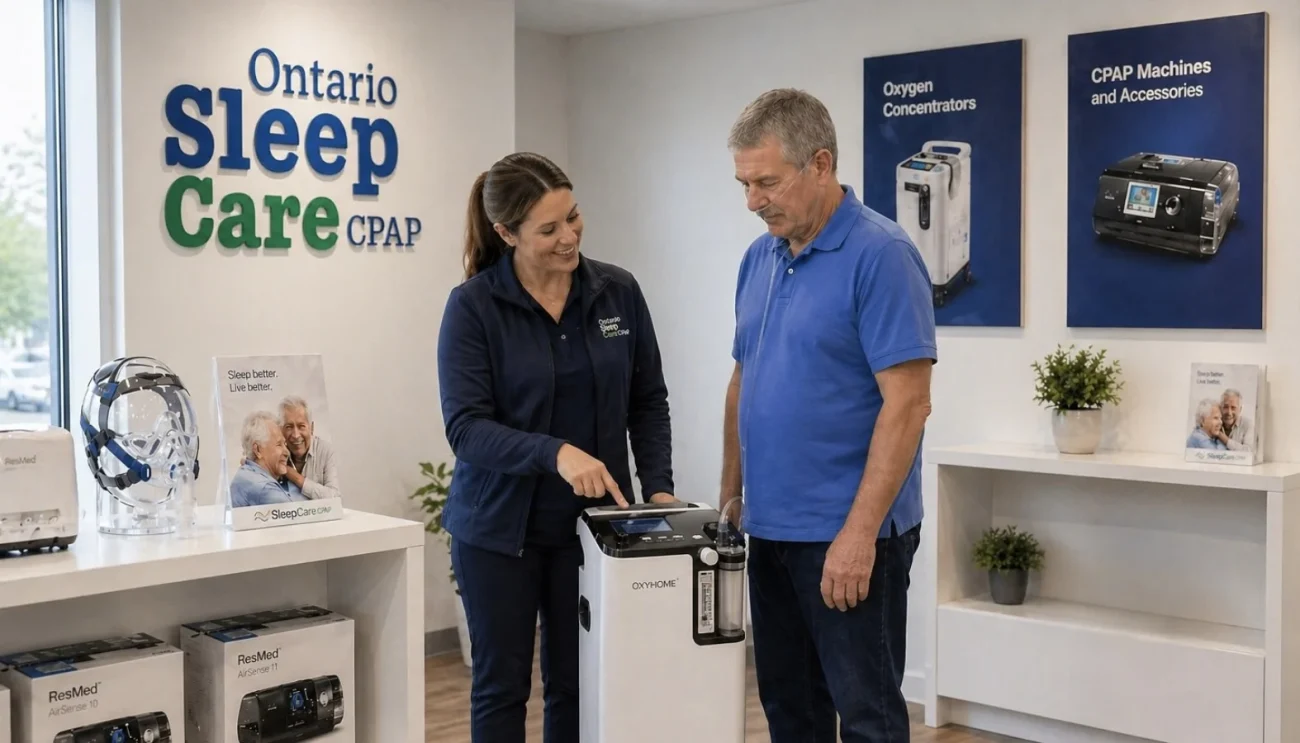
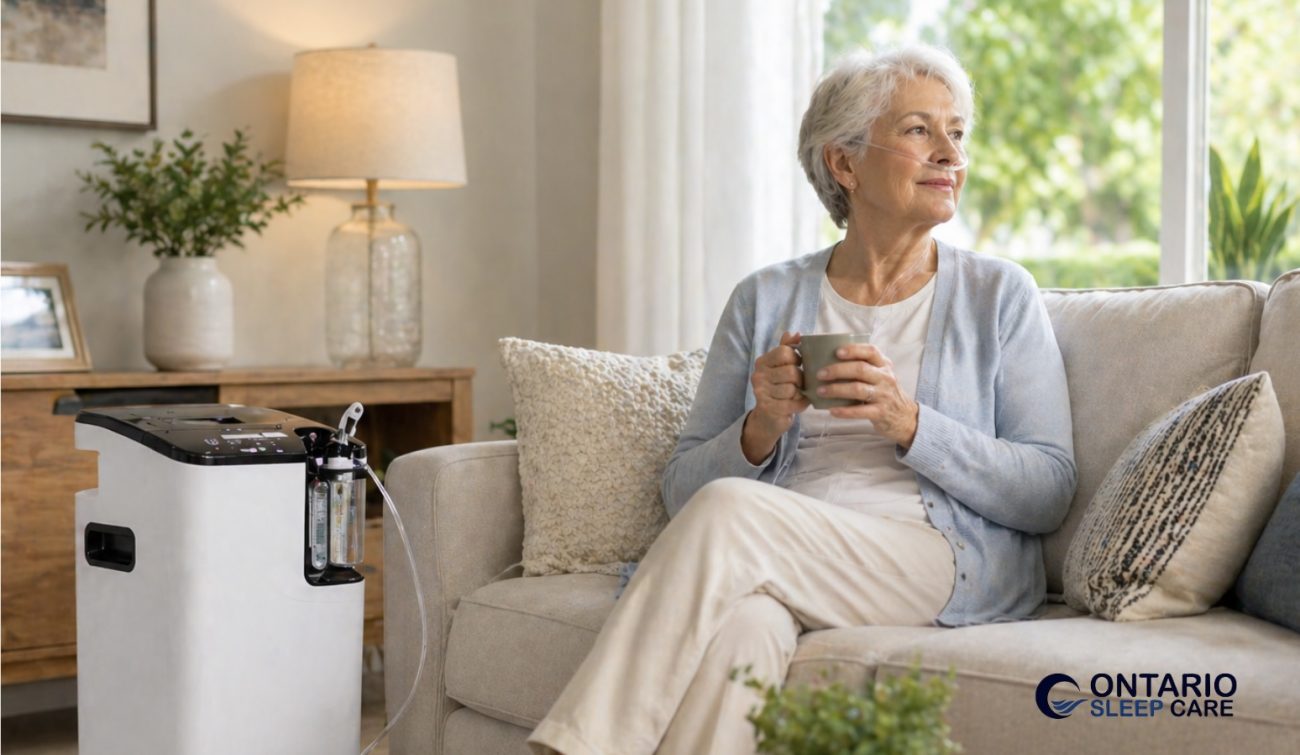
Home oxygen therapy delivers supplemental oxygen to patients with persistently low blood oxygen levels due to conditions like COPD, pulmonary fibrosis, or heart failure. A physician must prescribe it separately from CPAP therapy. Most sleep apnea patients do not need supplemental oxygen. For most, CPAP alone resolves overnight oxygen drops.
Some patients with complex conditions need both CPAP and supplemental oxygen. In those cases, your physician coordinates both treatments based on your diagnostic data. If you think you may need supplemental oxygen, speak with your doctor directly. Ontario Sleep Care focuses specifically on CPAP therapy and sleep apnea care.
| Treatment | How It Works | Best For | Provided by OSC? |
|---|---|---|---|
| CPAP | Pressurized air keeps the airway open during sleep | Obstructive sleep apnea | Yes |
| APAP | Auto adjusting pressure responds to breathing patterns | Variable apnea, comfort preference | Yes |
| BiPAP | Separate pressures for inhaling and exhaling | Complex sleep apnea, high pressure needs | Yes |
| Home Oxygen Therapy | Supplemental oxygen raises blood oxygen levels | COPD, pulmonary fibrosis, heart failure | No. Speak with your physician. |
Habits That Support Respiratory Wellness Every Day
Equipment alone does not determine your long term outcomes. The daily habits you build around your respiratory care matter just as much. Small, consistent actions add up over weeks and months.
Stay as active as your condition allows. Gentle exercise, even short walks, strengthens the muscles involved in breathing and improves how efficiently your body uses oxygen. Many people with sleep apnea find that regular movement reduces their symptoms over time.
Avoid respiratory irritants. Smoke, dust, mould, and strong chemical fumes all worsen airway inflammation. Use air purifiers in your bedroom, keep windows closed on high pollution days, and ask your doctor about managing seasonal allergies if they affect your breathing.
Finally, prioritize sleep. Quality sleep is one of the most powerful forms of respiratory support your body has. Read more about why good sleep is important and how it connects to your overall health. If your sleep is still poor despite therapy, talk to your care team, because your settings or equipment may need adjusting.
Frequently Asked Questions
How does CPAP therapy improve long term health?
Consistent CPAP therapy reduces the strain your body puts on itself to compensate for interrupted breathing during sleep. As a result, patients often report more energy, better mental focus, fewer headaches, and improved sleep quality. Over time, proper treatment also lowers the risk of heart disease and stroke, both of which are closely linked to untreated sleep apnea.
What is the difference between CPAP therapy and oxygen therapy?
CPAP therapy uses air pressure to keep your airway open during sleep and treats the physical obstruction that causes sleep apnea. Oxygen therapy delivers supplemental oxygen to raise your blood oxygen level due to conditions other than sleep apnea. Some people need only one of these treatments, while others benefit from both. Your respiratory specialist will determine which approach is right for your situation.
How do I know if my CPAP therapy is working?
Most modern CPAP machines track compliance data, including how many hours you use the device and how often breathing events occur. Your care provider reviews this data at follow up appointments. Additionally, you may notice improvements in your energy, mood, and daytime alertness within the first few weeks. If you do not notice improvement, speak with your care team about adjusting your settings or mask.
Can I use CPAP therapy if I also have COPD?
Yes, in many cases. Sleep apnea and COPD can occur together, a combination sometimes called overlap syndrome. Your physician will assess both conditions and may recommend CPAP therapy alongside other treatments. In some overlap cases, BiPAP therapy or supplemental oxygen may also be part of the plan. Your care team determines the right combination based on your diagnostic results.
How often should I replace my CPAP supplies?
Masks and cushions typically need replacing every three to six months. Filters should be changed monthly, or more often if you have pets or allergies. Tubing generally lasts about three months. Staying on schedule keeps your therapy effective and your equipment hygienic.
Start Building Better Respiratory Support Today
Good respiratory care is not a single decision. It is a daily commitment. Whether you are managing sleep apnea or another breathing condition, the right CPAP therapy and consistent healthy habits can work together to protect your lungs and improve your quality of life over the long term.
Explore Ontario Sleep Care’s patient resources to find the right tools, guidance, and support for your needs. You can also contact the Ontario Sleep Care team today to speak with a Sleep Clinician about your CPAP therapy options.