Blog
Best CPAP Machines in Canada: A 2026 Guide for Sleep Apnea Patients
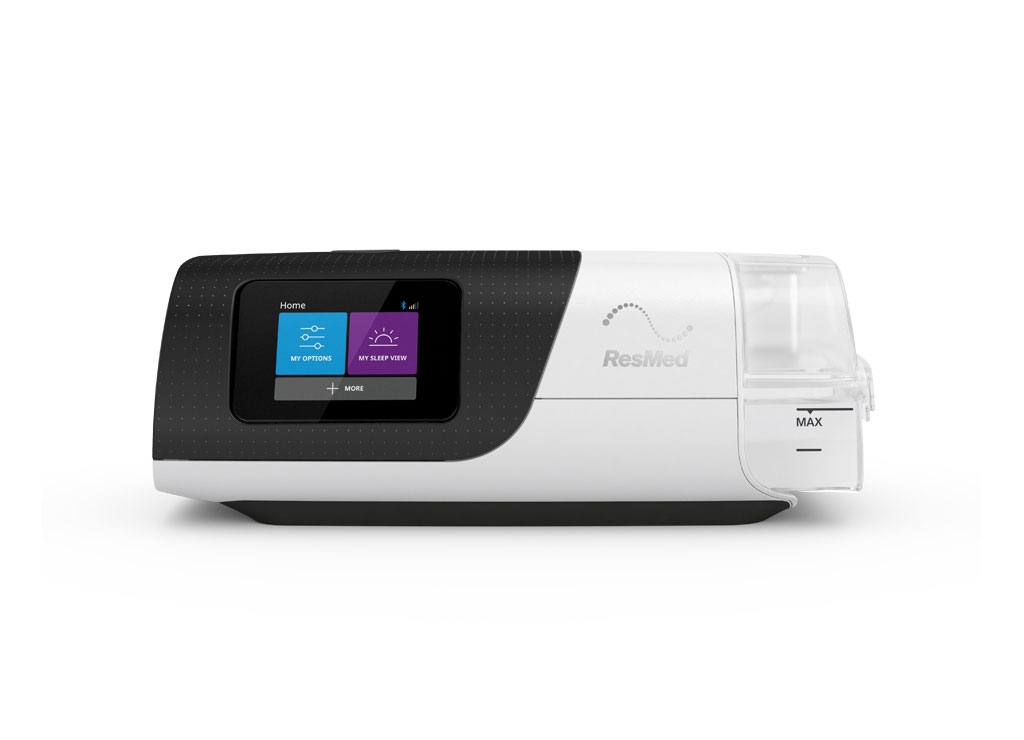
Finding the best CPAP machine in Canada is not as simple as picking the highest rated product on a shopping site. The right device depends on your sleep study results, your breathing patterns, your lifestyle, and how you respond to therapy over time. This guide explains what to look for, what different machines actually do, and why working with a qualified Sleep Clinician matters more than any spec sheet.
What Makes a CPAP Machine the Right Fit for You?
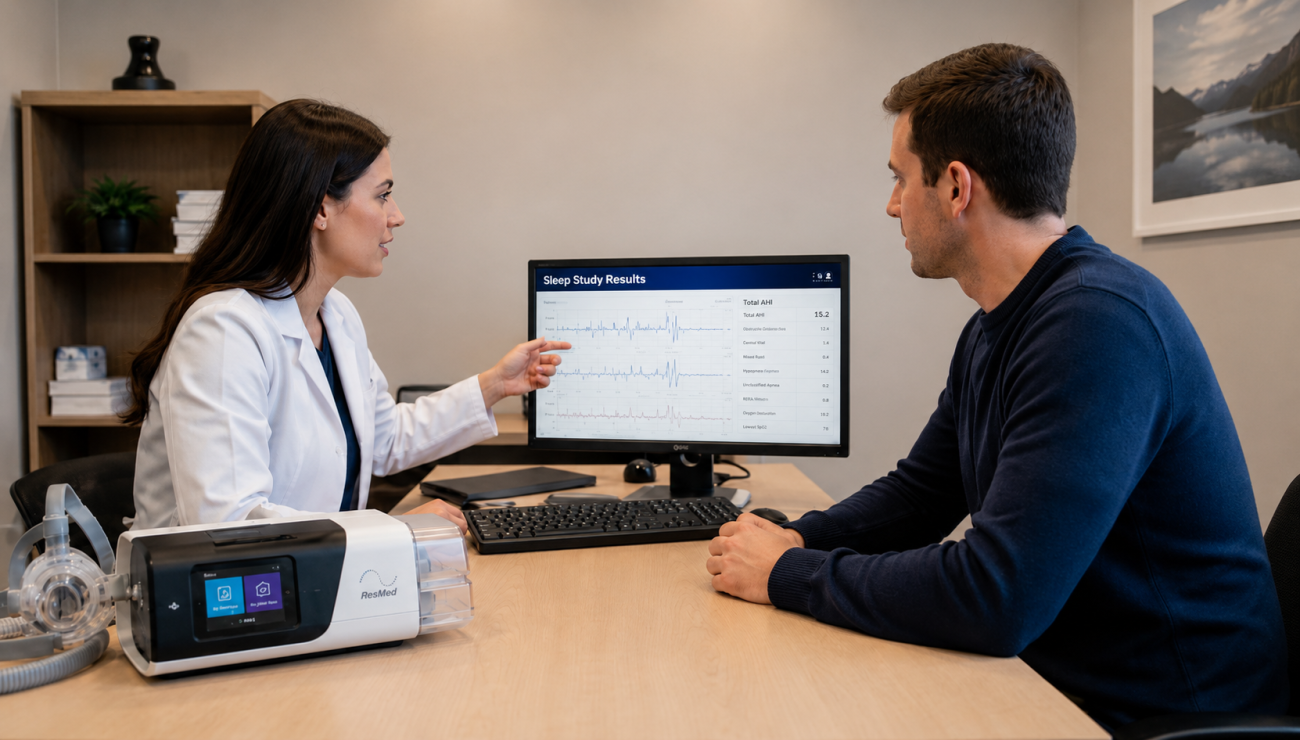
The best CPAP machine in Canada for one patient may not be right for another. CPAP therapy is prescribed therapy, not consumer electronics. The pressure setting is calibrated to your specific apnea hypopnea index (AHI) score from your sleep study. Therefore, a machine with the wrong settings — no matter how well reviewed — will not deliver effective treatment.
Your Sleep Clinician reviews your diagnostic data and recommends a device type and pressure range suited to your condition. That recommendation should drive your equipment choice, not marketing claims. However, understanding the main device categories helps you have a more informed conversation before your appointment.
CPAP, APAP, and BiPAP: Understanding the Difference
Three main categories of PAP therapy devices are prescribed for sleep apnea in Canada. Each works differently and suits different clinical situations.
CPAP (Continuous Positive Airway Pressure) delivers a single, fixed pressure throughout the night. It is the most widely prescribed device for obstructive sleep apnea and the standard starting point for most patients. If your sleep study reveals consistent, predictable apnea events, CPAP is almost always the first recommendation.
APAP (Auto Adjusting Positive Airway Pressure) reads your breathing in real time and adjusts the pressure up or down as needed. Many patients find APAP more comfortable, particularly if their apnea severity changes across sleep positions or throughout the night. Additionally, APAP data can help your Sleep Clinician fine tune your therapy over time.
BiPAP (Bilevel Positive Airway Pressure) uses two separate pressure levels — one for inhaling and a lower one for exhaling. BiPAP is typically prescribed for patients who find standard CPAP difficult to tolerate at higher pressures, or for those with certain complex respiratory conditions alongside sleep apnea. You can explore the full range of sleep apnea treatment options on the Ontario Sleep Care website.
Key Features to Look for in a CPAP Machine
Once your Sleep Clinician has recommended a device type, the following features determine day to day comfort and therapy effectiveness.
Heated humidifier. A built in heated humidifier adds moisture to the airflow, which significantly reduces dryness and irritation in the nose, mouth, and throat. Most modern CPAP machines include this as a standard feature. If yours does not, ask your Sleep Clinician about adding one, especially if you live in a cold or dry climate.
Data tracking and compliance reporting. Modern CPAP machines record how many hours you use the device, how many breathing events occur during therapy, and your average leak rate. Your Sleep Clinician reviews this data at follow up appointments to assess how well therapy is working and adjust settings if needed. Therefore, a machine with robust data reporting makes ongoing care significantly more accurate.
Noise level. CPAP machines have become much quieter over the years. Most modern devices operate below 30 decibels, which is quieter than a whisper. That said, noise levels vary between models. If you or your partner are light sleepers, this is worth discussing with your Sleep Clinician before choosing a device.
Ramp up function. The ramp feature allows the machine to start at a low pressure and gradually increase to your prescribed level as you fall asleep. Many patients find this makes getting used to therapy significantly easier, particularly in the first few weeks.
Travel compatibility. If you travel frequently, consider a machine that is FAA and CATSA approved for air travel, compatible with international power supplies, and compact enough to pack easily. Some devices are specifically designed as travel units. Your Sleep Clinician can advise which models in your recommended category are travel friendly.
How Much Does a CPAP Machine Cost in Canada?
CPAP machine prices in Canada typically range from around $500 for a basic fixed pressure device to over $2,000 for a feature rich APAP or BiPAP with advanced humidification and data connectivity. Auto adjusting machines generally cost more than standard CPAP devices due to the additional technology involved.
These are retail prices before funding assistance. Ontario residents with a confirmed sleep apnea diagnosis may qualify for partial funding through Ontario’s Assistive Devices Program (ADP). Most private insurance plans also cover a portion of the cost. When both are combined, many patients pay significantly less than the retail price for their initial setup.
Your Sleep Clinician at Ontario Sleep Care will outline the full cost picture — including ADP eligibility and insurance offsets — before you commit to any equipment purchase.
Why You Should Not Just Buy a CPAP Machine Online
CPAP machines are available from online retailers, and it is technically possible to purchase one without clinical support. However, there are significant risks to doing so.
First, a CPAP machine requires a prescription in Canada. It is a Class II medical device regulated by Health Canada. Buying one without a valid prescription from a licensed Canadian physician is not recommended. Second, without a properly calibrated pressure setting based on your sleep study, the machine may be delivering pressure that is too high or too low for your condition. Neither is safe nor effective. Third, online purchases typically come with no mask fitting support, no follow up care, and no one to call when you have questions at 2 a.m.
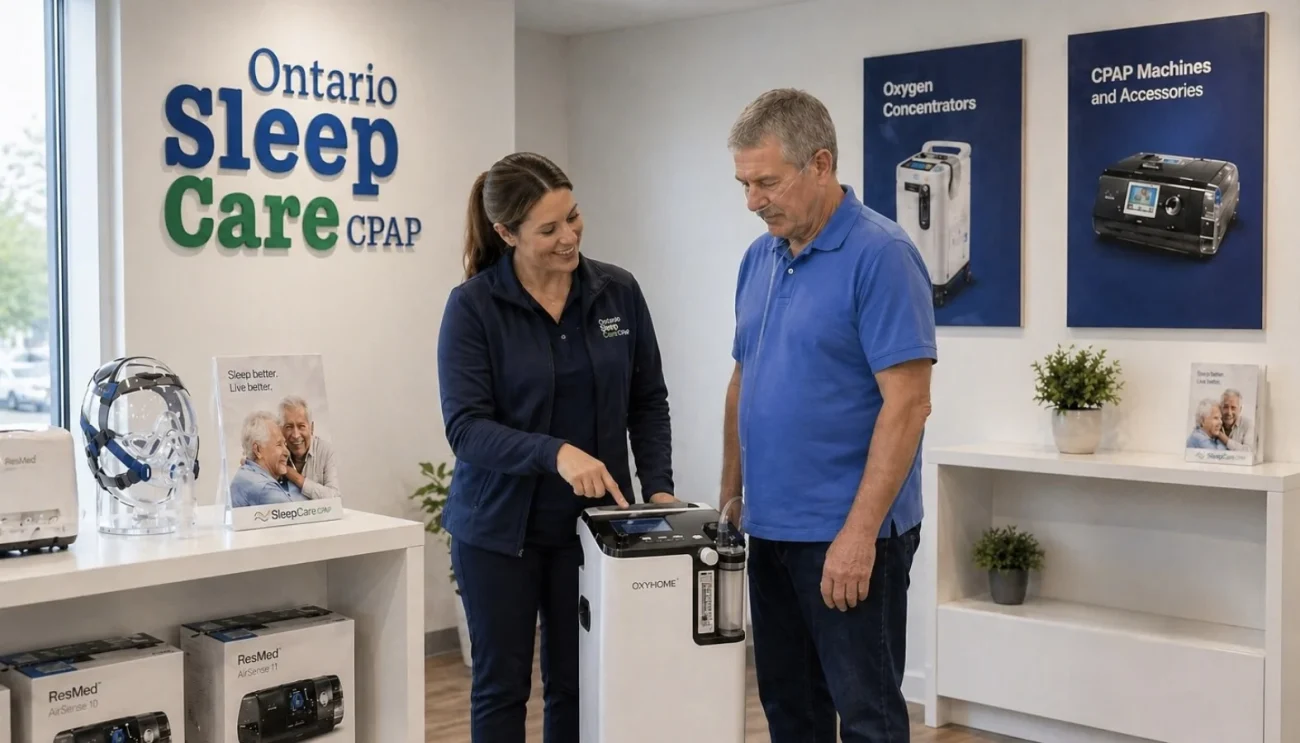
A dedicated sleep clinic like Ontario Sleep Care provides equipment, calibration, mask fitting, and ongoing follow up under one roof. That combination is what makes therapy actually work over the long term.
How Ontario Sleep Care Helps You Choose the Right Machine
Ontario Sleep Care specializes exclusively in sleep apnea and CPAP therapy. Every Sleep Clinician on the team has specific expertise in sleep medicine. When you receive your diagnosis, your Sleep Clinician reviews your sleep study data and recommends the device type, pressure range, and mask style most suited to your results and lifestyle.
Equipment is available both in clinic and through the online patient store for convenient home delivery across Ontario and Canada. Follow up support is built into the care model, so your Sleep Clinician checks in during the adjustment period and can adjust settings remotely if your compliance data indicates a problem.
For physicians referring patients, more information is available on the physician referral page.
Frequently Asked Questions
What is the best CPAP machine in Canada?
The best CPAP machine in Canada is the one your Sleep Clinician recommends based on your sleep study results. Device type, pressure settings, and features should all be matched to your specific diagnosis. A machine that works well for one patient may not be appropriate for another.
How much does a CPAP machine cost in Canada?
Prices typically range from around $500 for a basic CPAP device to over $2,000 for advanced APAP or BiPAP machines with full humidification and data tracking. Ontario residents may qualify for partial funding through ADP, and most private insurance plans cover a portion. Your Sleep Clinician will clarify your out of pocket costs before you purchase.
Do I need a prescription to buy a CPAP machine in Canada?
Yes. CPAP machines are Class II medical devices regulated by Health Canada. A valid prescription from a licensed Canadian physician is required. The prescription also specifies the pressure settings your machine must be calibrated to.
What is the difference between CPAP and APAP?
CPAP delivers a fixed pressure throughout the night. APAP adjusts pressure automatically in response to your breathing patterns. Many patients find APAP more comfortable, particularly if their apnea severity varies across sleep positions or stages. Your Sleep Clinician recommends the right type based on your diagnostic data.
Can I buy a CPAP machine online in Canada?
CPAP machines are available online, but purchasing without clinical support is not recommended. You need a valid prescription, a properly calibrated pressure setting, and a correctly fitted mask. Without these, therapy is unlikely to work effectively and may cause discomfort. Ontario Sleep Care provides equipment, setup, and ongoing follow up as part of a complete care model.
Choosing the right CPAP machine in Canada starts with the right clinical guidance. Contact Ontario Sleep Care to speak with a Sleep Clinician about your diagnosis and find the device that fits your life.