Blog
Sleep Apnea and Heart Disease: Understanding the Connection
Sleep apnea and heart disease often occur together. Research links obstructive sleep apnea with high blood pressure, atrial fibrillation, heart failure and stroke. Treating sleep apnea can improve breathing and sleep. However, CPAP is not a guaranteed way to prevent a heart attack or stroke. This guide explains the connection and what to discuss with your care team.
How Sleep Apnea Strains the Heart
During an apnea event, breathing stops completely. This pause can last from a few seconds to over a minute. When breathing stops, blood oxygen levels fall. The brain detects this drop and triggers a stress response. The response briefly wakes the body so it can restart breathing. It also activates the sympathetic nervous system, which causes a surge in heart rate and blood pressure.
In a person with moderate to severe sleep apnea, this cycle can repeat dozens or even hundreds of times per night. Each event sends a stress signal through the cardiovascular system. Over months and years, these repeated surges wear on the heart and blood vessels. This damage builds up and significantly raises the risk of serious cardiac conditions.
Additionally, the chronic oxygen drops of sleep apnea promote inflammation throughout the body. Inflammation is a known contributor to cardiovascular disease. Repeated blood pressure spikes, oxygen deprivation and systemic inflammation together create a significant cardiac burden. This burden does not resolve on its own without treatment.
Sleep Apnea and High Blood Pressure
High blood pressure, or hypertension, has a close link with obstructive sleep apnea. Repeated breathing pauses can activate the body’s stress response. This response can raise blood pressure during sleep. If your blood pressure stays high despite treatment, your doctor may recommend checking for sleep apnea.
CPAP can help lower blood pressure in some people with obstructive sleep apnea and hypertension. The reduction is often modest and varies between people. AASM treatment guidance supports using positive airway pressure for adults with both conditions. However, CPAP does not replace blood pressure medication. Keep taking prescribed medicine unless your physician changes it.
If your blood pressure is difficult to control, discuss sleep apnea testing with your doctor. The right test depends on your symptoms and medical history. A home test does not suit everyone, particularly when significant heart or lung disease is present. You can review the signs and symptoms of sleep apnea on the Ontario Sleep Care website.
Sleep Apnea and Atrial Fibrillation
Atrial fibrillation (AFib) is an irregular heart rhythm. It significantly raises the risk of stroke and heart failure. Research has consistently identified sleep apnea as an independent risk factor for AFib. Researchers believe the repeated oxygen drops and autonomic nervous system activation during apnea events create conditions in the heart’s electrical system. These conditions make irregular rhythms more likely to develop.
Some observational studies link CPAP use with fewer AFib recurrences after cardiac treatment. However, the 2023 AFib guideline says it remains uncertain whether treating sleep disordered breathing helps maintain a normal rhythm. Therefore, nobody should present CPAP as a proven way to prevent AFib recurrence. Discuss sleep apnea assessment with your cardiologist alongside your usual AFib care.
If you have AFib or another cardiac arrhythmia, ask your cardiologist whether a sleep apnea assessment suits your situation.
Sleep Apnea and Heart Failure
Heart failure occurs when the heart cannot pump blood effectively throughout the body. Sleep apnea is a risk factor for developing heart failure. It also worsens outcomes in people who already have heart failure. The pressure changes in the chest during obstructed breathing add mechanical strain on the heart. This strain compounds the burden on an already weakened cardiac muscle.
People with heart failure also have a higher prevalence of central sleep apnea. This is a distinct form of sleep disordered breathing. It involves a failure of the brain to send proper breathing signals, rather than a physical airway obstruction. Clinicians increasingly recognize the management of sleep disordered breathing as an important component of comprehensive heart failure care.
If you have heart failure and obstructive sleep apnea, your cardiologist and sleep specialist can decide whether CPAP is appropriate. It may help breathing and sleep symptoms. However, nobody should promise that it improves heart function or survival. Central sleep apnea needs a separate assessment and treatment plan. Do not change your device or pressure settings yourself.
Sleep Apnea and Stroke Risk
Untreated sleep apnea elevates stroke risk for several reasons. The repeated blood pressure surges during apnea events stress the arterial walls. The low oxygen levels promote clot formation. The AFib risk that comes with sleep apnea further increases the likelihood of embolic stroke. Together, these mechanisms create a meaningful elevation in stroke risk for people with moderate to severe untreated sleep apnea.
Sleep apnea is also prevalent in stroke survivors. Research associates its presence after stroke with worse neurological recovery outcomes. For this reason, stroke rehabilitation programs increasingly include sleep apnea screening and treatment as part of a comprehensive recovery approach.
You can read more about the full range of risks associated with untreated sleep apnea on the Ontario Sleep Care website.
What CPAP Can and Cannot Do for Heart Health
CPAP holds the upper airway open while you sleep. When treatment works, it reduces obstructive breathing events and the oxygen drops that come with them. This can improve sleep and daytime symptoms. Your care team can check your device data. They can also arrange further testing if symptoms or oxygen problems continue.
CPAP can lower blood pressure in some patients. However, trials have not consistently shown that it prevents heart attacks, strokes or cardiovascular death. The 2025 blood pressure guideline does not support using CPAP specifically to prevent these outcomes. Use CPAP as prescribed to treat your sleep apnea. Also continue your heart care, medications and follow up appointments.
Your Sleep Clinician at Ontario Sleep Care will review your compliance data at follow up appointments. This review shows whether you use therapy consistently and effectively. Your Sleep Clinician can also adjust pressure settings and equipment to improve comfort and adherence if needed. Learn more about CPAP therapy and treatment options for sleep apnea in Ontario.
When to Talk to Your Doctor
Do you have high blood pressure, atrial fibrillation, heart failure, or a history of stroke? Do you also experience sleep apnea symptoms like loud snoring, waking up gasping, or excessive daytime tiredness? If so, bring this up at your next physician appointment. Sleep apnea assessment may be an important part of managing your cardiovascular health.
Similarly, if you have sleep apnea and also manage a heart condition, make sure your cardiologist and sleep medicine team coordinate your care. CPAP therapy decisions and cardiac treatment decisions can interact in meaningful ways. Both specialists benefit from knowing what the other manages.
Frequently Asked Questions
Does sleep apnea cause heart disease?
Sleep apnea does not directly cause heart disease in all cases. However, it is an established risk factor for several cardiovascular conditions. These include high blood pressure, atrial fibrillation, heart failure and stroke. The repeated oxygen drops and blood pressure surges during apnea events create cardiovascular stress. In people with untreated sleep apnea, that stress accumulates over time.
Can treating sleep apnea improve heart health?
CPAP treats obstructive breathing events and can help lower blood pressure in some people. However, it is not a guaranteed way to prevent a heart attack, stroke or AFib recurrence. Your physician and Sleep Clinician can explain the expected benefits for your situation. They can also explain how CPAP fits into your wider care plan.
Should I get tested for sleep apnea if I have heart disease?
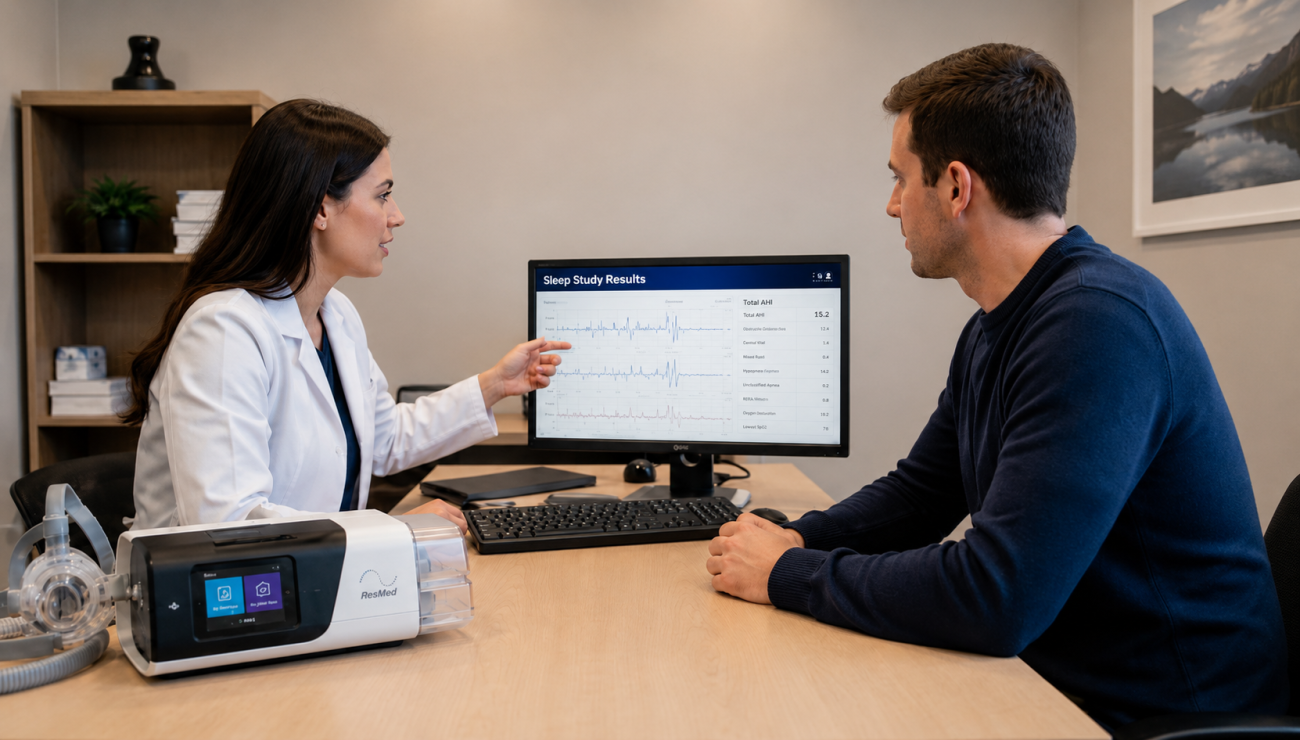
Discuss testing with your physician, especially if you snore loudly, wake gasping or feel very sleepy during the day. AASM diagnostic guidance recommends an in lab sleep study rather than a home test. This applies to people with significant heart or lung disease or a history of stroke. Your doctor can choose the right test for you.
How do I know if I have sleep apnea?
Common signs include loud snoring, waking up gasping or unrefreshed, excessive daytime tiredness and morning headaches. A formal diagnosis requires a sleep study. Your family doctor can refer you for testing. Ontario Sleep Care coordinates both home sleep tests and in lab studies.
Is CPAP therapy safe for people with heart conditions?
People with cardiovascular conditions generally tolerate CPAP therapy well. Clinicians often specifically recommend it for cardiac patients with sleep apnea. However, your physician and cardiologist should always take part in the decision to start CPAP therapy. This ensures it suits your specific situation.
If you have concerns about sleep apnea and its effect on your heart health, do not wait to seek answers. Contact Ontario Sleep Care to speak with a Sleep Clinician about getting tested and taking control of your sleep and cardiovascular health.