Blog
Sleep Apnea Symptoms: How to Know If You Have Sleep Apnea

Sleep apnea symptoms are easy to miss or dismiss as stress, aging, or a busy lifestyle. Yet sleep apnea is one of the most common sleep disorders in Canada, and most people who have it go undiagnosed for years. Knowing what to look for is the first step toward getting the help you need.
What Is Sleep Apnea?
Sleep apnea is a condition where your breathing repeatedly stops and starts during sleep. Each pause, called an apnea, can last anywhere from a few seconds to over a minute. As a result, your body never reaches the deep, restorative stages of sleep it needs to function properly.
The most common type is obstructive sleep apnea (OSA), which occurs when the muscles in the throat relax and block the airway. Additionally, there is central sleep apnea, which involves a failure of the brain to send proper signals to the breathing muscles. Most people diagnosed with sleep apnea have the obstructive type.
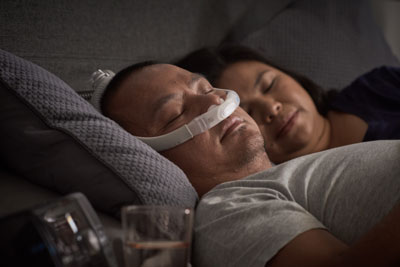
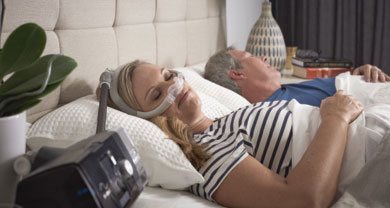
CPAP therapy is the standard treatment for obstructive sleep apnea. It works by delivering a steady stream of pressurized air through a mask, keeping the airway open throughout the night. You can learn more about treatment options on the Ontario Sleep Care website.
The Most Common Sleep Apnea Symptoms
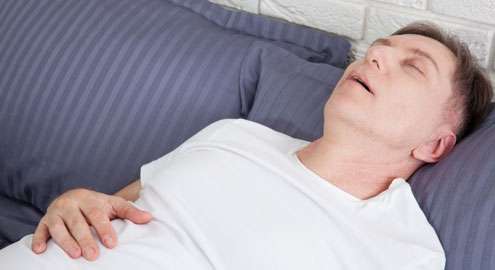
Sleep apnea symptoms often go unnoticed by the person who has the condition. In many cases, a partner or family member notices the signs first. However, there are daytime symptoms that can signal a problem even if you sleep alone.
The most commonly reported signs include:
- Loud, persistent snoring, especially if others notice pauses in your breathing
- Waking up gasping, choking, or feeling short of breath
- Excessive daytime sleepiness, even after a full night in bed
- Morning headaches or a dry, sore throat when you wake up
- Difficulty concentrating, memory problems, or mental fog during the day
- Waking frequently during the night, sometimes to use the bathroom
- Mood changes, including irritability or depression
Not everyone with sleep apnea snores loudly. Some people experience only daytime symptoms without any obvious nighttime signs. Therefore, if several of the above apply to you, it is worth speaking with a healthcare provider regardless of whether your partner has noticed anything unusual.
Less Obvious Sleep Apnea Symptoms
Beyond the well known signs, sleep apnea can cause a range of symptoms that are easy to attribute to other causes. Many people manage these symptoms for years without connecting them to a sleep disorder.
Persistent fatigue that does not improve with more sleep is one of the clearest indicators. If you regularly feel exhausted despite getting seven or eight hours of sleep, something is disrupting your rest. Sleep apnea prevents the body from completing full sleep cycles, so total hours in bed do not reflect actual quality of sleep.
Frequent nighttime urination (nocturia) is another underrecognized symptom. Research suggests that the pressure changes caused by airway obstruction can trigger the release of hormones that increase urine production. Additionally, high blood pressure that is difficult to control with medication is often linked to untreated sleep apnea.
Reduced libido and sexual dysfunction have also been associated with sleep apnea symptoms. The condition disrupts hormone production and causes chronic fatigue, both of which affect sexual health. In contrast to many other causes, these symptoms often improve significantly once sleep apnea is treated.
Who Is Most at Risk for Sleep Apnea?
Sleep apnea can affect anyone at any age, including children. However, certain factors significantly increase the risk. Understanding these risk factors helps you decide whether a sleep study is worth pursuing.
The most significant risk factors include:
- Being overweight or obese, particularly with excess weight around the neck and upper airway
- Having a neck circumference greater than 40cm (16 inches) for women or 43cm (17 inches) for men
- Being male, though sleep apnea in women increases significantly after menopause
- Being over the age of 40, though sleep apnea affects younger people too
- Having a family history of sleep apnea
- Smoking, which increases airway inflammation and fluid retention
- Using alcohol or sedatives, which relax the throat muscles during sleep
- Having a narrow airway, large tonsils, or a recessed jaw
- Having nasal congestion from allergies or a deviated septum
It is important to note that thin people with no obvious risk factors can also develop sleep apnea. If the symptoms match, a sleep study is the only reliable way to confirm or rule out a diagnosis.
The Health Risks of Untreated Sleep Apnea Symptoms
Left untreated, sleep apnea does more than make you tired. The repeated oxygen drops that occur during apnea episodes put significant stress on the cardiovascular system over time. As a result, people with untreated sleep apnea face a higher risk of serious health conditions.
These include high blood pressure, heart disease, stroke, type 2 diabetes, and metabolic syndrome. Additionally, the chronic fatigue associated with sleep apnea increases the risk of motor vehicle accidents and workplace injuries. Cognitive decline and memory problems are also linked to long term untreated sleep apnea.
The good news is that treating sleep apnea effectively reduces these risks significantly. You can read more about the risks of untreated sleep apnea on the Ontario Sleep Care website.
When Should You Get Tested for Sleep Apnea?
If you recognize two or more of the symptoms described above, it is worth getting evaluated. The process starts with a conversation with your family doctor. They will ask about your symptoms, review your medical history, and refer you for a sleep study if appropriate.
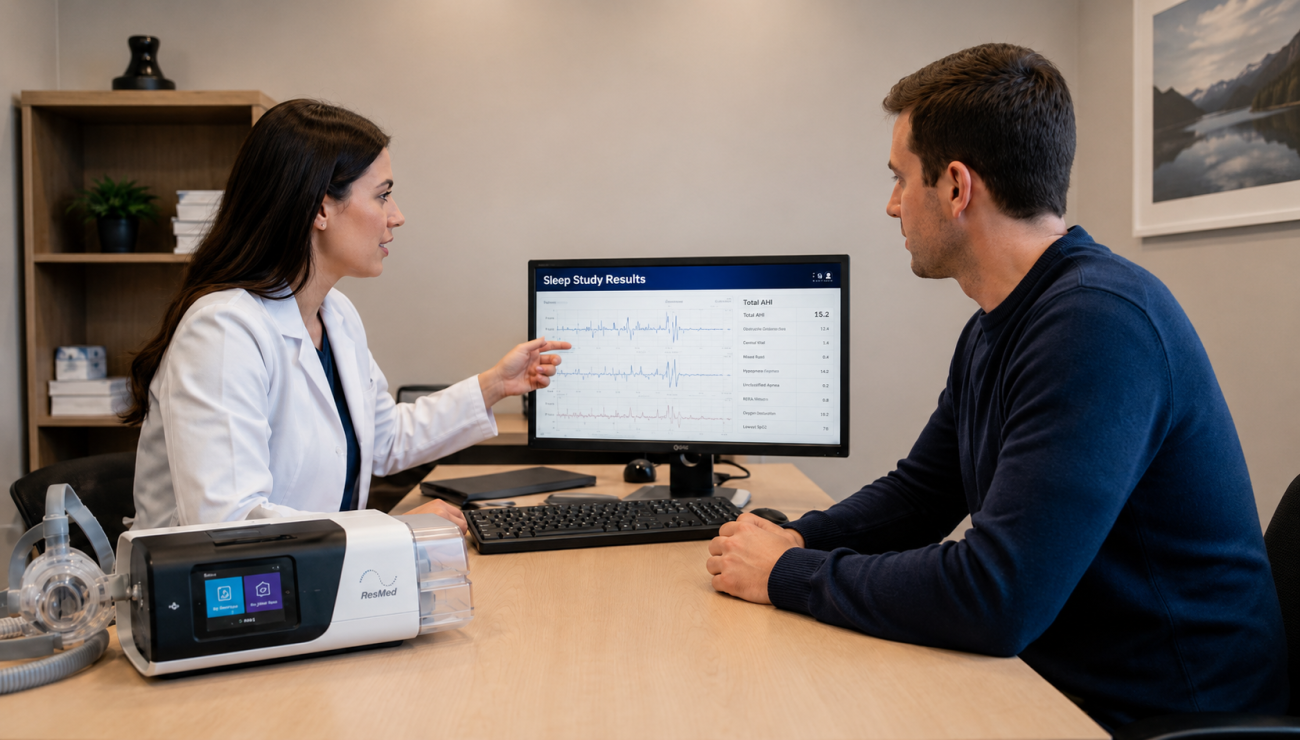
Sleep studies come in two forms. An in clinic study involves an overnight stay at a sleep facility where equipment monitors your breathing, oxygen saturation, heart rate, and sleep stages. A home sleep test uses a portable device you wear overnight in your own bed. Both can diagnose sleep apnea, and a qualified Sleep Clinician will help determine which option suits your situation.
You can review the full list of sleep apnea signs and symptoms and learn about the diagnostic process at Ontario Sleep Care.
What Happens After a Sleep Apnea Diagnosis?
Receiving a sleep apnea diagnosis is the start of a manageable treatment journey, not a life sentence of poor sleep. For most people, CPAP therapy resolves the breathing disruptions, restores sleep quality, and significantly reduces the associated health risks.
Your Sleep Clinician will review your sleep study results with you and explain what your numbers mean. They will recommend the right CPAP device and pressure settings based on your diagnosis, fit you for a mask, and support you through the adjustment period. Most patients who stick with therapy report meaningful improvement in energy, focus, and overall wellbeing within the first month.
Therefore, if you have been putting off getting tested, now is the right time to act. The sooner sleep apnea symptoms are identified and treated, the sooner the associated health risks begin to decrease.
Frequently Asked Questions
What are the first signs of sleep apnea?
The most common early signs are loud snoring, waking up gasping or feeling unrefreshed, and excessive daytime tiredness despite a full night in bed. A partner noticing pauses in your breathing during sleep is one of the strongest indicators. Morning headaches and difficulty concentrating are also early warning signs.
Can you have sleep apnea without snoring?
Yes. Not everyone with sleep apnea snores loudly. Some people experience primarily daytime symptoms such as fatigue, brain fog, and mood changes without obvious nighttime signs. Therefore, the absence of snoring does not rule out sleep apnea.
How is sleep apnea diagnosed?
Sleep apnea is diagnosed through a sleep study, either in a clinic overnight or at home with a portable device. The study measures how often breathing stops, how long each pause lasts, and how much blood oxygen drops. A Sleep Clinician reviews the results and confirms the diagnosis.
What does sleep apnea feel like?
Most people describe waking up feeling unrefreshed, struggling through the day despite enough hours of sleep, and experiencing brain fog or irritability. Some wake up gasping or with a dry throat. Others feel relatively normal during the day but report chronic fatigue that never fully resolves.
Is sleep apnea dangerous if left untreated?
Yes. Untreated sleep apnea significantly increases the risk of high blood pressure, heart disease, stroke, type 2 diabetes, and cognitive decline. It also impairs daytime function and raises the risk of accidents. However, effective CPAP therapy reduces these risks substantially.
If you recognize any of these sleep apnea symptoms, do not wait. A sleep study is the only reliable way to know for certain. Contact Ontario Sleep Care to speak with a Sleep Clinician and take the first step toward a proper diagnosis.